Types of endoscopic procedures
- Upper GI endoscopy (EGD) — examines the oesophagus, stomach and duodenum through the mouth
- Colonoscopy — examines the entire colon and rectum
- ERCP (endoscopic retrograde cholangiopancreatography) — diagnoses and treats bile duct, gallbladder and pancreatic problems
- Therapeutic procedures — polyp removal, stricture dilatation, stent placement and more
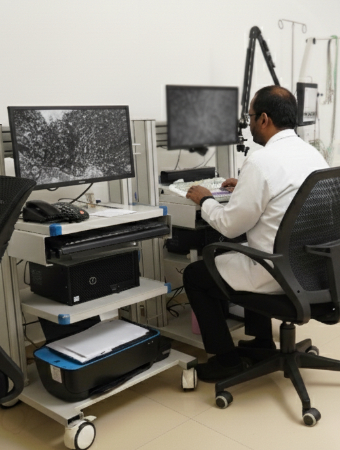
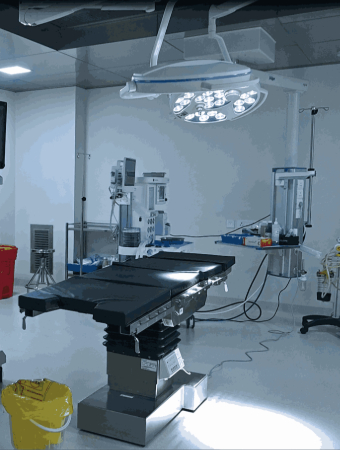
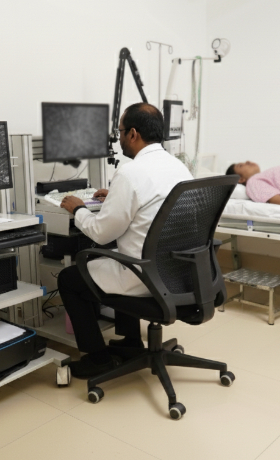
All are available in the endoscopy suites of Smita Memorial Hospital's Gastroenterology Department.
Why they are done
- Persistent heartburn, difficulty swallowing or upper abdominal pain
- Bleeding from the digestive tract
- Anaemia without a clear cause
- Change in bowel habits, chronic diarrhoea or constipation
- Screening for polyps and bowel cancer
- Jaundice or bile duct stones (ERCP)
Preparing for an upper endoscopy
- Do not eat or drink for the period advised before the test
- Tell the doctor about blood thinners, diabetes medicines and allergies
- Bring a companion if sedation is planned
Preparing for a colonoscopy
- The bowel must be completely clean for a clear view
- You will be given a laxative preparation and diet instructions for the day before
- Drink the preparation as instructed and plenty of clear fluids
- Adjust medicines as your doctor advises
- Arrange for someone to take you home
During the procedure
You lie on your side. Depending on the procedure, a throat spray or sedation keeps you comfortable. A flexible tube with a camera is gently passed in, and air or gas may be used to expand the area for a better view. If needed, small tissue samples are taken or polyps removed — this is usually painless.
Afterwards
- You rest while sedation wears off
- Mild bloating or a sore throat is common and settles quickly
- Do not drive for the rest of the day if you had sedation
- Your doctor explains findings; biopsy results come later from the laboratory
- Report severe pain, fever, or bleeding
Smita Memorial Hospital's endoscopy suites follow strict infection control, including high-level disinfection and sterilisation, and have spacious recovery areas.
Understanding ERCP in more detail
ERCP combines endoscopy with X-ray imaging. The endoscope is passed to the opening of the bile and pancreatic ducts in the duodenum, and contrast is injected to show the ducts. During ERCP, doctors can remove stones from the bile duct, place stents to relieve blockages from narrowing or tumours, and take samples. It is commonly used for jaundice caused by bile duct stones.
Polyps and bowel cancer prevention
Polyps are small growths on the lining of the colon. Most are harmless, but some types can slowly turn into cancer over years. Removing polyps during colonoscopy prevents them from progressing. This is why colonoscopy is valuable not only for diagnosis but for prevention in people with symptoms, a family history or other risk factors.
Medicines and endoscopy
- Blood thinners — may need to be paused or adjusted, especially if polyps might be removed; never stop without advice
- Diabetes medicines and insulin — doses usually need adjusting during fasting
- Iron tablets — may need to be stopped before colonoscopy as they can affect bowel preparation
- Regular blood pressure and heart medicines — usually continued with a sip of water
Bring a complete medicine list to your pre-procedure consultation.
Warning signs after the procedure
- Severe or worsening abdominal pain
- Fever or chills
- Vomiting
- Passing significant blood from the back passage
- Chest pain or difficulty swallowing after upper endoscopy
Specialists you can consult
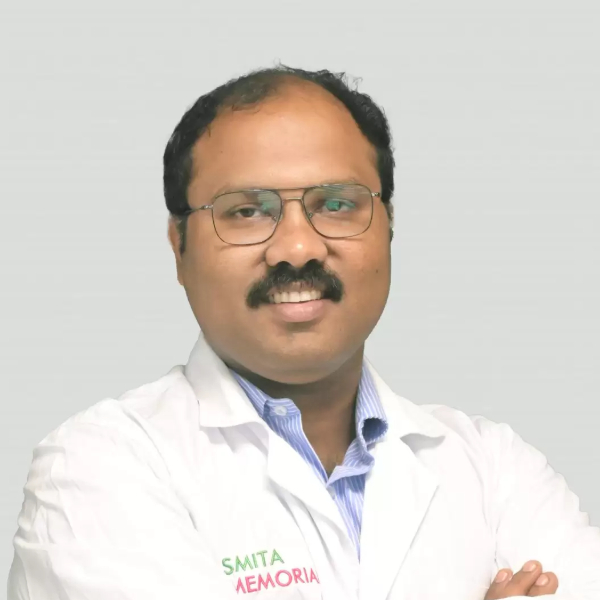
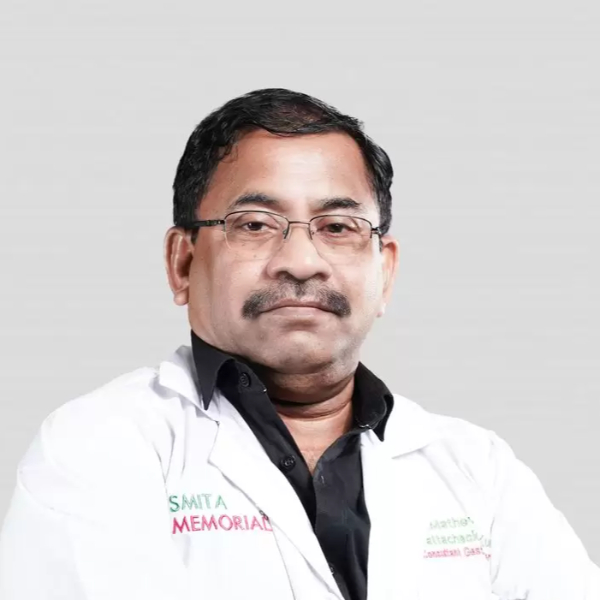
Dr. Bony George
MBBS, MD (Internal Medicine), DM (Medical Gastroenterology), DrNB Medical…
Frequently asked questions
Is endoscopy painful?
Most people feel only mild discomfort. Throat spray or sedation is used to keep you comfortable.
Can polyps be removed during colonoscopy?
Yes. Polypectomy can be performed during the procedure.
Is ERCP available in Thodupuzha?
Yes, in the endoscopy suites at Smita Memorial Hospital.
How are endoscopes cleaned?
With strict infection-control protocols including high-level disinfection and sterilisation.
Sources
- Endoscopy Suites, smitahospital.com
- Gastroenterology, smitahospital.com