
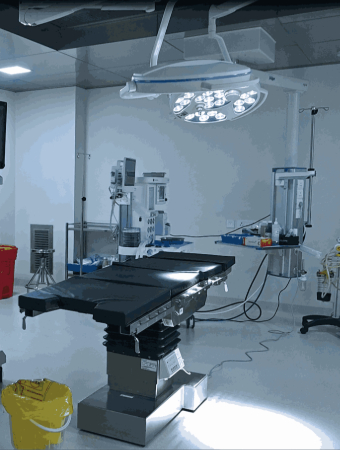
About General and Laparoscopic Surgery at Smita Memorial Hospital
The General Surgery Department at Smita Memorial Hospital provides safe, comfortable and advanced surgical care for every patient — whether the procedure is planned or an urgent emergency. Skilled surgeons and a caring team work together for the best possible outcome and a smooth recovery.
The department treats common surgical problems as well as complex emergencies such as appendicitis, cholecystitis, intestinal obstruction, trauma, abscesses, gangrene and sepsis. In an emergency, patients are assessed quickly in the casualty department, stabilised and prepared for surgery without delay. Surgery takes place in NABH-accredited theatres, and the hospital was the first in Idukki district to receive Platinum Grade Green OT certification.
General and Laparoscopic Surgery treatments & services
Minimally invasive (keyhole) surgery
Laparoscopic cholecystectomy, appendectomy, hernia repair and minimally invasive colon surgery.
Hernia repair
Inguinal, ventral and incisional hernia repair.
Thyroid & parathyroid surgery
Thyroidectomy and parathyroidectomy.
Breast surgery
Surgery for breast lumps and mastectomy.
Anorectal surgery
Haemorrhoidectomy, anal fistula repair and sphincterotomy.
Trauma & emergency surgery
Emergency operations and critical care surgery, 24×7.
Other procedures
Colectomy, abscess incision and drainage, and removal of lumps or masses.
When should you see a surgeon?
Consider booking a consultation if you notice any of the following. This is general guidance, not a diagnosis.
- A bulge in the groin or abdomen that increases on coughing or lifting
- Pain in the upper right abdomen after fatty meals (possible gallstones)
- Sudden severe abdominal pain, especially in the lower right side (seek emergency care)
- Bleeding, pain or a lump around the anus
- A lump in the breast, neck or elsewhere
- A wound or abscess that is not healing
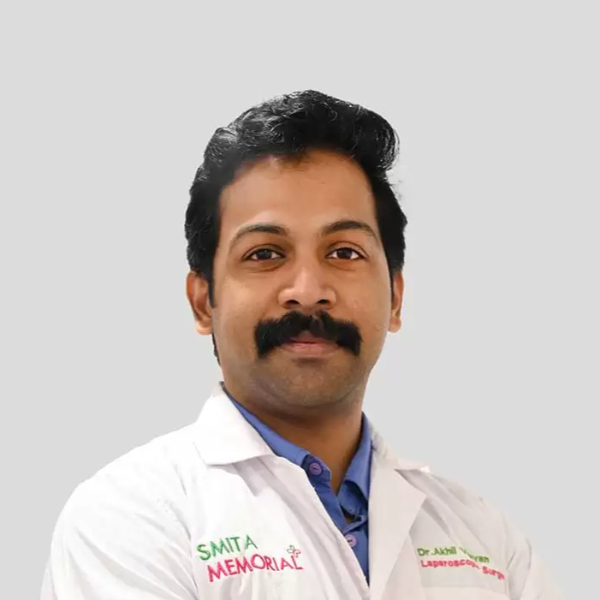
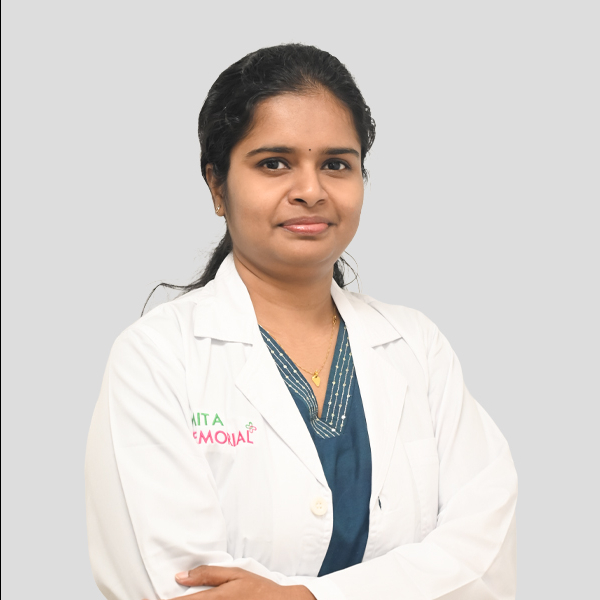
General and Laparoscopic Surgery doctors in Thodupuzha

General and Laparoscopic Surgery — frequently asked questions
What are the benefits of laparoscopic surgery?
Keyhole surgery uses small incisions and a camera, which usually means less pain, a smaller scar, a shorter hospital stay and a faster return to normal activity than open surgery.
Can emergency surgery be done at night?
Yes. Emergency patients are assessed in the casualty department, stabilised and taken to surgery without delay, with an emergency operation theatre in the Emergency and Trauma Centre.
Do you perform piles and fistula surgery?
Yes. The department performs haemorrhoidectomy, anal fistula repair and sphincterotomy.
Is hernia surgery covered by insurance?
The hospital is empanelled with Medisep, ECHS, CGHS and a large panel of insurers and TPAs. For a planned operation, cashless approval is taken before admission, up to 7 days in advance.