
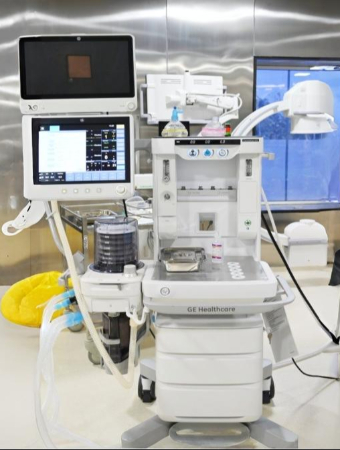
About Anaesthesia at Smita Memorial Hospital
Every operation at Smita Memorial Hospital & Research Centre (SMHRC) is supported by a dedicated team of anaesthesiologists whose work begins well before the first incision and continues long after the patient leaves theatre. The team is focused on comfort, safety and well-being across the whole perioperative period — the time before, during and after a surgical procedure.
Our specialists are trained in general, regional and local anaesthesia, and provide pain management for both surgical and non-surgical conditions. With modern monitoring systems and advanced techniques, the department manages high-risk cases, emergency surgeries and critical care, and contributes to intensive care, pain-relief therapies and pre-operative assessment to reduce risk and improve outcomes.
Anaesthesia treatments & services
Pre-operative assessment
A thorough evaluation of medical history and risk factors to design a safe, individual anaesthetic plan.
Anaesthetic planning and administration
Tailored strategies for each surgery, with continuous monitoring of vital signs throughout the procedure.
Pain management
Effective relief during and after surgery to improve comfort and speed recovery.
Critical care support
Management of critically ill patients in the ICUs, ensuring stability and safe ventilation.
Emergency response
Rapid intervention for emergencies such as cardiac arrest, anaphylaxis or unforeseen surgical complications.
Post-operative care
Monitoring in recovery, managing complications and ensuring a smooth transition from theatre to the ward.
When should you see a specialist?
Consider booking a consultation if you notice any of the following. This is general guidance, not a diagnosis.
- You have been advised surgery and want to understand the anaesthesia plan
- You have heart, lung, kidney or diabetic conditions that may affect anaesthesia
- You have had a reaction to anaesthesia before, or a family history of one
- You are living with long-term pain that has not settled with regular treatment
Anaesthesia doctors in Thodupuzha







Anaesthesia — frequently asked questions
Will I meet the anaesthesiologist before my operation?
Yes. A pre-operative assessment reviews your medical history, medicines and risk factors so the anaesthetic plan can be designed specifically for you before the day of surgery.
What is the difference between general and regional anaesthesia?
General anaesthesia puts you into a controlled sleep for the whole procedure. Regional anaesthesia numbs a larger part of the body, such as below the waist, while you may remain awake or lightly sedated. Local anaesthesia numbs only a small area. The anaesthesiologist recommends the safest option for your surgery and health.
How is pain managed after surgery?
The anaesthesia team plans pain relief during and after the operation and continues to monitor you in recovery, adjusting treatment so that you are comfortable and able to begin moving and recovering.
Does the anaesthesia team help in the ICU and emergencies?
Yes. The department supports critically ill patients in the intensive care units, including safe ventilation, and responds rapidly to emergencies such as cardiac arrest and severe allergic reactions.