What is acid reflux?
At the bottom of the food pipe (oesophagus) is a ring of muscle that normally stops stomach contents flowing back up. When it relaxes at the wrong time or is weak, acid rises into the oesophagus, causing a burning feeling. When this happens regularly or causes complications, it is called GERD.
Symptoms
- Burning pain behind the breastbone (heartburn), often after meals or when lying down
- A sour or bitter taste in the mouth
- Regurgitation of food or liquid
- Burping, bloating or nausea
- Cough, hoarseness or sore throat, especially in the morning
- Feeling of a lump in the throat
What helps at home
- Eat smaller meals and avoid lying down for two to three hours after eating
- Raise the head end of the bed
- Limit fried, fatty and very spicy foods, and foods that trigger your symptoms
- Reduce tea, coffee, carbonated drinks and alcohol
- Stop smoking
- Lose excess weight and avoid tight clothing around the waist
Warning signs that need evaluation
- Difficulty or pain when swallowing
- Food sticking in the throat
- Vomiting blood or black stools
- Unexplained weight loss
- Anaemia
- Symptoms persisting despite medicines
- New symptoms after the age of 40
Diagnosis and treatment
A gastroenterologist may prescribe medicines to reduce acid. If symptoms persist or warning signs are present, an upper GI endoscopy examines the oesophagus and stomach and can detect inflammation, ulcers or Barrett's oesophagus — a change in the oesophageal lining linked to long-term reflux.
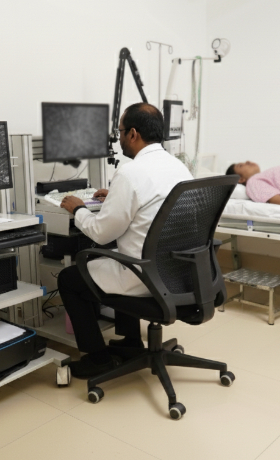
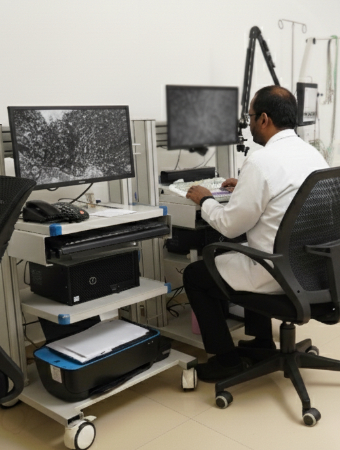
Smita Memorial Hospital's Gastroenterology Department treats gastro-oesophageal reflux, peptic ulcer disease, achalasia cardia and Barrett's oesophagus, with an advanced endoscopy suite. Dietitians provide medical nutrition therapy for gastrointestinal disorders.
Common trigger foods and habits
- Large, late-night meals
- Fried and fatty foods
- Very spicy dishes
- Tea, coffee and carbonated drinks
- Chocolate, mint and citrus for some people
- Alcohol and smoking
- Bending or lying down soon after eating
Triggers vary. A simple food and symptom diary for two weeks can help you and your doctor identify yours.
Reflux in pregnancy and in older adults
Heartburn is common in pregnancy because of hormonal changes and pressure from the growing baby. Small meals and avoiding lying down after eating help; ask your obstetrician before taking any medicine. In older adults, reflux may show up as a chronic cough, hoarseness or chest discomfort, and new symptoms deserve evaluation because other conditions become more common with age.
Long-term medicines: use wisely
Acid-reducing medicines are very effective, but long-term use should be reviewed periodically by a doctor. Do not self-medicate for months without a diagnosis, particularly if symptoms keep returning or warning signs appear.
Complications of untreated reflux
- Oesophagitis — inflammation and ulcers of the food pipe
- Stricture — narrowing that makes swallowing difficult
- Barrett's oesophagus — a change in the lining that needs monitoring
- Chronic cough, hoarseness and worsening asthma
Smita Memorial Hospital's Gastroenterology Department diagnoses and manages Barrett's oesophagus and performs stricture dilatation in its endoscopy suites.
Specialists you can consult

Dr. Bony George
MBBS, MD (Internal Medicine), DM (Medical Gastroenterology), DrNB Medical…

Frequently asked questions
Is GERD serious?
It is common and treatable, but long-term untreated reflux can damage the oesophagus. Persistent symptoms deserve medical review.
Do I need an endoscopy for heartburn?
Not always. It is advised when symptoms persist despite treatment or when warning signs such as difficulty swallowing, bleeding or weight loss are present.
Can diet help acid reflux?
Yes. Smaller meals, avoiding trigger foods and not lying down after eating help many people.
Where is the gastroenterology OPD?
On the ground floor of Smita Memorial Hospital. Book on +91 94961 43852.
Sources
- Gastroenterology, smitahospital.com
- Dietetics, smitahospital.com
- Floor Directory, smitahospital.com