Why side effects happen
Chemotherapy medicines target rapidly dividing cancer cells. Some healthy cells also divide quickly — in the bone marrow, hair follicles, mouth and digestive tract — and can be affected too. This leads to side effects such as tiredness, nausea, hair loss, mouth sores and loss of appetite. The side effects and their severity vary with the medicines used and how each person responds. Many side effects are temporary.
Nausea and vomiting
- Take anti-nausea medicines exactly as prescribed, even before you feel sick
- Eat smaller meals more often instead of three large meals
- Avoid greasy or very spicy food
- Keep your head raised for a while after meals
- Sucking a mint or lemon drop can help with a metallic taste
- Relaxation techniques such as deep breathing or music may help
Infection risk
Chemotherapy can lower the white blood cells that fight infection.
- Wash hands often with soap, or use hand sanitiser, especially before eating
- Avoid crowds and people with coughs or fevers
- Follow food hygiene carefully
- Report fever, chills, cough or diarrhoea to your oncology team immediately
Mouth sores
- Keep your mouth clean with a soft toothbrush
- Rinse the mouth regularly as your team advises
- Avoid very hot, spicy or acidic foods
- Ask your doctor about pain relief if sores are painful
Hair loss
- Not all chemotherapy causes hair loss — ask your oncologist what to expect
- Use a wide-tooth comb and avoid pulling or heavy styling
- Ask your team whether a cooling cap is suitable during treatment
- Hair usually grows back after treatment ends
Tiredness and eating well
- Balance rest with gentle activity
- Accept help with daily tasks
- Eat nourishing food in small, frequent portions
- Drink enough fluids unless advised otherwise
Smita Memorial Hospital's dietitians provide personalised nutrition counselling, and the Physiotherapy Department offers cancer rehabilitation, including lymphatic drainage and scar mobilisation after surgery.
Chemotherapy care at Smita Memorial Hospital
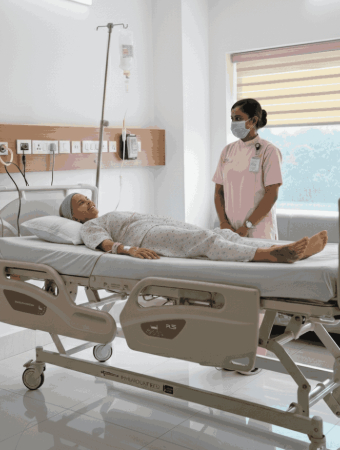
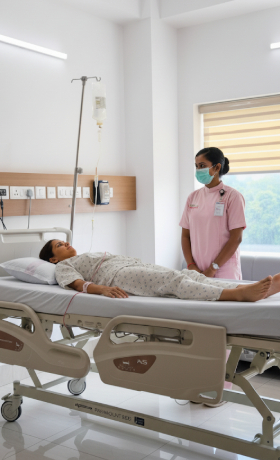
Chemotherapy is given in a 3rd-floor day care area specially designed to provide a safe and comfortable environment for chemotherapy and supportive cancer treatment, so most patients do not need an overnight stay. The Oncology Department, led by Prof. (Dr.) Suresh Advani, emphasises holistic care — comfort, emotional support and quality of life — alongside medical treatment. The hospital pharmacy operates 24×7 and offers free home delivery for orders above ₹500 with a prescription.
How chemotherapy is given
- Through a drip into a vein (intravenous), usually in cycles with rest periods in between
- As tablets or capsules taken at home (oral chemotherapy)
- In combination with targeted therapy or immunotherapy for some cancers
Your oncologist decides the medicines, doses and schedule based on the cancer type and your health. Blood tests before each cycle check that it is safe to continue.
Protecting the veins and managing lines
Some patients need many drips over months. Your team may recommend a longer-lasting line to protect the veins. Keep dressings clean and dry, and report redness, swelling, pain or fever around a line site promptly.
Emotional wellbeing
Feeling anxious, low or overwhelmed during chemotherapy is common. Dr. Suresh Advani's patient-education writing emphasises staying positive and open with your care team. Talk to your doctors and nurses about how you feel, involve family and friends, and consider counselling. Smita Memorial Hospital's Behavioural Sciences department offers psychological support, and the oncology team focuses on emotional well-being as part of care.
When to call the oncology team or emergency
- Fever or chills
- Vomiting that prevents you keeping fluids down
- Diarrhoea that does not settle
- Bleeding or unusual bruising
- Breathlessness, chest pain or swelling of a limb
- Severe mouth sores preventing eating or drinking
Specialists you can consult
Dr. Reshma R Balachandran
MBBS, MS (General Surgery), MCh (Surgical Oncology) DNB (General Surgery)…
Frequently asked questions
Will I need to stay in hospital for chemotherapy?
Usually not. Smita Memorial Hospital gives chemotherapy in a dedicated 3rd-floor day care, so most patients go home the same day.
Are chemotherapy side effects permanent?
Most side effects are temporary and improve after treatment. Ask your oncologist about the specific medicines you receive.
What should I do if I get a fever?
Contact your oncology team immediately, or come to the 24×7 Emergency Department.
Can I get medicines delivered at home?
Yes. The pharmacy offers free home delivery for orders above ₹500 with a doctor's prescription.
Sources
- Dr. Suresh Advani — How to Deal with the Side Effects of Chemotherapy?, drsureshadvani.in
- Day Care, Oncology, Pharmacy & Physiotherapy, smitahospital.com