What is breast cancer?
Breast cancer develops when normal cells in the breast tissue change and grow out of control, forming a lump. These abnormal cells can invade surrounding healthy breast tissue and, in later stages, spread to the lymph nodes in the armpit and to other parts of the body.
Every woman has some risk of breast cancer, and that risk increases with age. Like many cancers, the earlier breast cancer is detected, the better the outcome tends to be — and early detection often means treatment options that are less aggressive while still highly effective.
Why so many women are diagnosed late
Many women with early breast cancer have no symptoms at all. Others notice a lump but delay seeing a doctor because it is painless, or because of fear, embarrassment or family responsibilities. Smita Memorial Hospital's Social Service Department notes that many women seek medical help only when the cancer is advanced — which is why the hospital, with the Helping Hand NGO, runs breast cancer awareness and screening camps under the initiative “If women won't go to the hospital, let us bring the hospital to them.”
Warning signs to look for
- A hard, often painless lump in the breast, upper chest or armpit
- A change in the nipple, such as a newly inverted nipple or inflammation
- Unusual discharge from the nipple
- Swelling of part or all of the breast, even without a lump
- Dimpling or puckering of the skin
- Swollen lymph nodes in the armpit
- Any new, unusual pain in the breast that persists
Breast pain alone is often not a sign of cancer, but any unusual or persistent change should be reported to a doctor.
How to do a breast self-exam
Knowing how your breasts normally look and feel helps you notice changes early. A simple routine once a month:
- Stand in front of a mirror and look for differences in size, shape or skin
- Raise your arms and look again from different angles
- Lie down and feel each breast and the armpit with the flat of your fingers, in a circular pattern
- Gently check the nipples for any discharge
- Note anything new and see a doctor if a change persists
Mammography: the most important screening test
A mammogram is a low-dose X-ray of the breast that can detect a tumour before it can be felt or causes symptoms. Dr. Suresh Advani's patient-education guidance recommends screening mammography for women aged 40 and above, every one to two years, and Smita Memorial Hospital's social initiatives recommend regular mammography from 40.
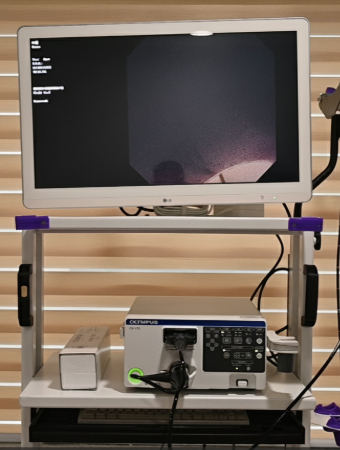
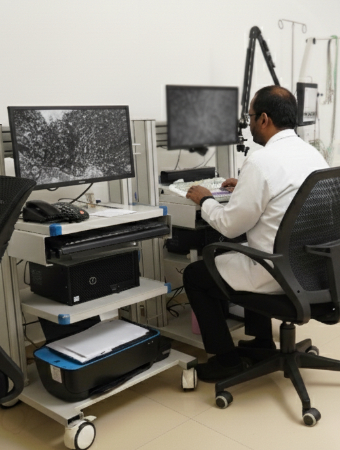
Smita Memorial Hospital's Radiology and Diagnostics Centre has a mammography machine, along with high-end ultrasound for evaluating lumps. If a lump needs sampling, USG-guided FNAC and biopsy are available, and tissue is examined by the Pathology department, which offers histopathology and immunohistochemistry (IHC).
Know your risk
- Increasing age
- Family history of breast or other cancers — tell your doctor
- Previous breast conditions
- Lifestyle factors such as physical inactivity, excess weight and alcohol
If you have a strong family history, discuss earlier or more frequent screening with your doctor.
Treatment at Smita Memorial Hospital
The Oncology Department at Smita Memorial Hospital is led by Prof. (Dr.) Suresh Advani, Padma Bhushan awardee and pioneer of India's first bone marrow transplant. It follows a multi-modality approach and provides:
- Medical oncology — chemotherapy, hormone therapy, targeted therapy and immunotherapy planned for each patient
- Surgical oncology, and breast surgery including mastectomy in the General Surgery department
- Oncological and breast reconstruction in the Plastic & Reconstructive Surgery department
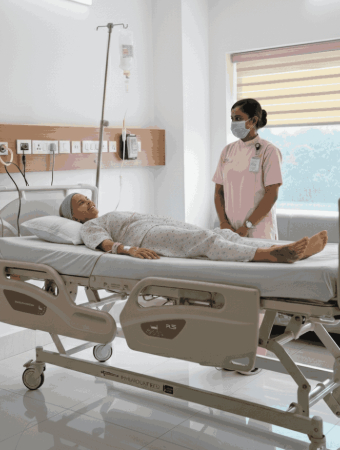
- A 3rd-floor day care designed for chemotherapy and supportive cancer treatment
- Attention to emotional well-being and family support throughout treatment
What to expect during a mammogram
During a mammogram, each breast is placed between two plates and gently pressed for a few seconds while X-ray images are taken. The pressure spreads the breast tissue so smaller changes can be seen and less radiation is needed. Some women find it uncomfortable, but it is brief.
- Schedule it for a time when your breasts are least tender, often the week after your period
- Avoid deodorant, powder or cream on the breasts and underarms on the day, as they can show on images
- Wear a two-piece outfit so you only need to remove your top
- Bring previous mammogram reports for comparison
- Tell the staff if you are pregnant or breastfeeding
If discomfort worries you, discuss it with your doctor beforehand.
If something is found: the next steps
Being called back after a mammogram is common and usually does not mean cancer. Additional images or an ultrasound can clarify what was seen. If a lump or suspicious area needs sampling, a needle biopsy is taken. The tissue is examined by pathologists, who confirm whether it is cancer and, if so, identify its features.
- Additional mammogram views or breast ultrasound
- USG-guided FNAC or biopsy
- Histopathology and immunohistochemistry (IHC) — which identifies features such as hormone receptors that guide treatment
- Consultation with the oncology and surgical teams to plan treatment
Lifestyle steps that can lower risk
- Stay physically active
- Maintain a healthy weight, especially after menopause
- Limit alcohol
- Breastfeed if possible
- Know your family history and share it with your doctor
No lifestyle change removes risk entirely, which is why screening remains important even if you live healthily.
Support during treatment
A breast cancer diagnosis affects a woman's body, emotions and family life. Smita Memorial Hospital's oncology team emphasises holistic care, with attention to emotional well-being alongside treatment. The Physiotherapy Department's cancer rehabilitation includes lymphatic drainage and scar mobilisation after surgery, dietitians support nutrition during chemotherapy, and the Behavioural Sciences department offers counselling.
Specialists you can consult


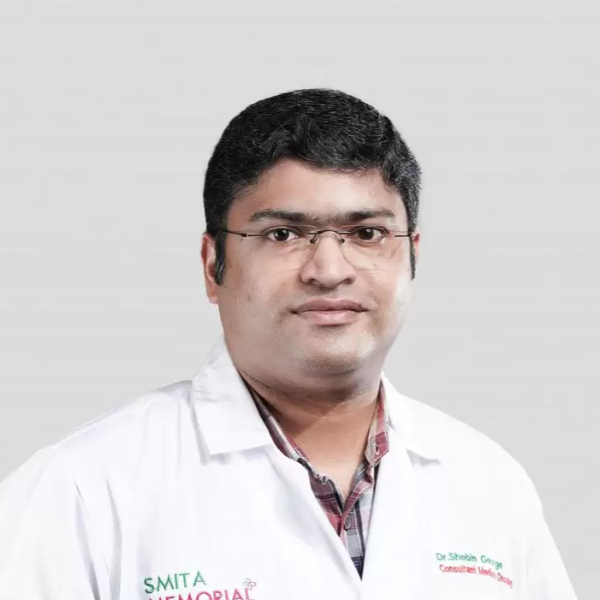
Dr. Reshma R Balachandran
MBBS, MS (General Surgery), MCh (Surgical Oncology) DNB (General Surgery)…
Frequently asked questions
At what age should I start mammograms?
Screening mammography is generally recommended from age 40, every one to two years. Women with a strong family history should ask their doctor whether to start earlier.
Is every breast lump cancer?
No. Many lumps are benign. But every new lump should be examined by a doctor, and imaging or biopsy may be advised.
Is mammography available in Thodupuzha?
Yes. Smita Memorial Hospital's Diagnostics Centre has a mammography machine. Book on +91 94961 43852.
Does the hospital hold breast screening camps?
Yes. With the Helping Hand NGO, the Social Service Department runs breast cancer awareness and screening camps and distributes mammogram coupons.
Sources
- Dr. Suresh Advani — Why Is Early Detection Critical in the Treatment of Breast Cancer?, drsureshadvani.in
- Oncology & Social Initiatives, smitahospital.com
- Diagnostics & Radiology, smitahospital.com