How doctors choose treatment
The right treatment depends on the type of cancer, where it is, its stage, specific features found on pathology tests, and the patient's age and overall health. Some people need a single treatment; many receive a combination. Being open with your oncologist about your concerns is the first step towards successful treatment.
Surgery
Surgery removes the tumour and sometimes nearby lymph nodes. It can also be used to diagnose cancer, determine its stage, relieve symptoms or restore appearance and function after cancer treatment.
At Smita Memorial Hospital, surgical oncology is part of the Oncology Department, and specialties including General and Laparoscopic Surgery, ENT Head & Neck Surgery, Neurosurgery, Urology and Plastic & Reconstructive Surgery perform cancer-related operations and reconstruction.
Chemotherapy
Chemotherapy uses medicines to kill cancer cells or stop them from spreading. It may be given by mouth or through a drip, alone or with other treatments. Smita Memorial Hospital provides tailored chemotherapy plans and a dedicated 3rd-floor day care for chemotherapy and supportive treatment.
Targeted therapy
Targeted therapies act on specific molecules that help particular cancer cells grow and spread. They work only when the cancer has the target, which is why specialised pathology testing is important. Smita Memorial Hospital's oncology department offers targeted therapy, and its laboratory provides immunohistochemistry (IHC).
Immunotherapy
Immunotherapy helps the body's own immune system recognise and attack cancer cells. It is effective for certain cancer types. Smita Memorial Hospital lists immunotherapy among its oncology treatments.
Hormone therapy
Some cancers, such as certain breast and prostate cancers, grow in response to hormones. Hormone therapy blocks or lowers these hormones. It is part of the oncology services at Smita Memorial Hospital.
Radiation therapy
Radiation therapy uses high-energy beams to destroy cancer cells or shrink tumours, sometimes before or after surgery. Whether radiation is part of your plan — and where it will be given — is something your oncologist will discuss with you.
Stem cell (bone marrow) transplant
For some blood and bone marrow cancers, or after very high-dose chemotherapy, a stem cell transplant replaces blood-forming cells damaged by cancer or treatment. Prof. (Dr.) Suresh Advani, who leads Smita Memorial Hospital's Oncology Department, performed India's first successful bone marrow transplant and pioneered haematopoietic stem cell transplantation in India. Ask your oncologist whether a transplant is relevant to your condition and where it can be done.
Supportive and holistic care
- Nutrition counselling from dietitians
- Cancer rehabilitation in physiotherapy
- Psychological support and counselling
- Home care through SMHRC @ Home
- Help from the Social Service Department and Helping Hand NGO for underprivileged patients
Curative, controlling and supportive goals
- Curative treatment aims to remove or destroy the cancer completely
- Controlling treatment aims to shrink the cancer or stop it growing, helping people live longer with good quality of life
- Supportive and palliative care aims to relieve symptoms and improve comfort at any stage
Understanding the goal of each treatment helps you weigh its benefits against side effects.
Neoadjuvant and adjuvant treatment
Doctors sometimes give treatment before surgery to shrink a tumour (neoadjuvant treatment), or after surgery to reduce the chance of the cancer returning (adjuvant treatment). Your oncologist will explain whether either applies to your plan.
Clinical trials
Clinical trials test new treatments or new combinations. They can offer access to promising therapies and help improve care for future patients. Ask your oncologist whether any trial may be relevant to you.
Follow-up after treatment
- Regular check-ups and scans as advised
- Monitoring for late side effects
- Rehabilitation and return to work
- Healthy lifestyle — nutrition, activity and no tobacco
- Emotional support for survivors and families
Specialists you can consult
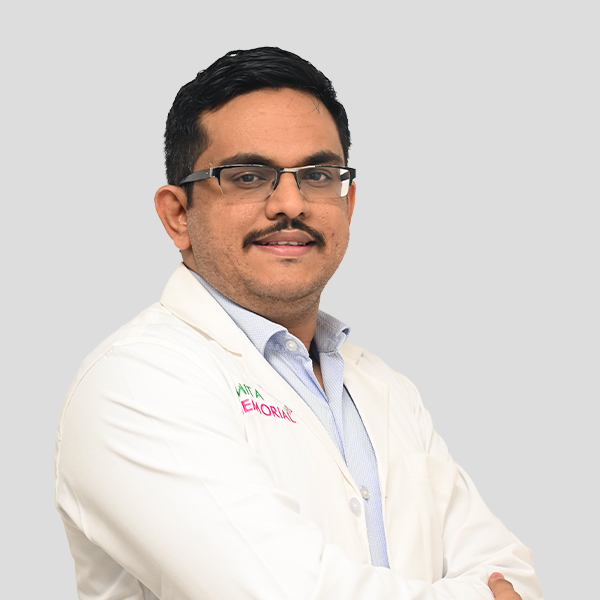
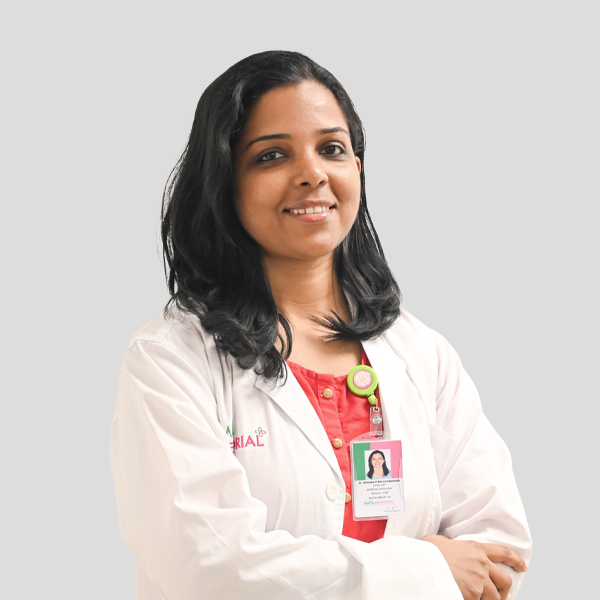
Dr. Reshma R Balachandran
MBBS, MS (General Surgery), MCh (Surgical Oncology) DNB (General Surgery)…
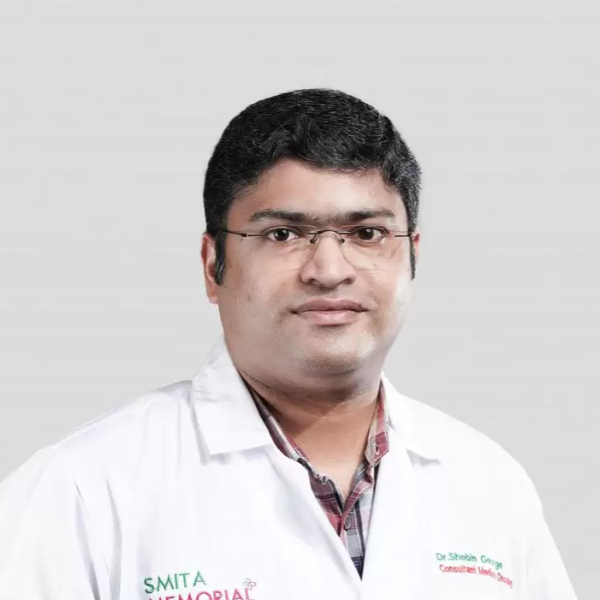
Frequently asked questions
What cancer treatments are available at Smita Memorial Hospital?
Chemotherapy, immunotherapy, targeted therapy, hormone therapy and oncological surgery for adults and children, with haematology and a chemotherapy day care.
Is immunotherapy suitable for all cancers?
No. It works for certain cancer types and situations. Your oncologist will advise whether it is appropriate.
Why are pathology tests so important?
They identify the exact type and features of the cancer, which guides choices such as targeted therapy.
Who leads oncology at Smita Hospital?
Prof. (Dr.) Suresh Advani, Padma Bhushan and Padma Shri awardee.
Sources
- Dr. Suresh Advani — Treatment Modalities of Cancer: Options to Consider, drsureshadvani.in
- Oncology Services, smitahospital.com