What is blood cancer?
Blood cancers, also called haematological cancers, usually start in the bone marrow or the lymphatic system, where blood cells are made and immune cells mature. They cause abnormal blood cells to develop uncontrollably, which interferes with normal blood cell production and the body's ability to resist infection.
The three main types
- Leukaemia — affects the bone marrow and blood, producing large numbers of abnormal white blood cells
- Lymphoma — affects the lymphatic system when abnormal lymphocytes build up in lymph nodes and other tissues
- Myeloma — affects plasma cells in the bone marrow and weakens the immune system
Common symptoms
- Tiredness and weakness that do not improve
- Frequent or repeated infections, fever or chills
- Night sweats
- Easy bruising or bleeding
- Swollen lymph nodes in the neck, armpit or groin
- Loss of appetite, nausea or unexplained weight loss
- Breathlessness, itchy skin or rashes
- Bone or joint pain
Dr. Suresh Advani's article notes that symptoms can vary with age and type — for example, acute lymphoblastic leukaemia is more common in younger patients, while chronic lymphocytic leukaemia is more common in adults over 50.
How blood cancers are diagnosed
- Complete blood count and a blood smear examination
- Bone marrow tests where indicated
- Lymph node biopsy for suspected lymphoma
- Imaging such as CT scans
- Specialised pathology tests to define the exact type
Smita Memorial Hospital's 24×7 laboratory covers haematology, biochemistry, histopathology, cytopathology, cell block studies and immunohistochemistry (IHC).
A pioneer in blood cancer treatment
Prof. (Dr.) Suresh Advani, who leads Smita Memorial Hospital's Oncology Department, performed India's first successful bone marrow transplant and pioneered haematopoietic stem cell transplantation for leukaemia in India. He also took part in clinical trials in 1,200 children with lymphoblastic leukaemia that raised treatment success rates from 20% to 70%.
Care at Smita Memorial Hospital
- Haematology for adults and children
- Chemotherapy, immunotherapy and targeted therapy planned for each patient
- Paediatric oncology with family support
- 24×7 blood centre for red cell, plasma and platelet transfusions
- A 3rd-floor day care for chemotherapy and supportive treatment
Why blood cancer is staged differently
Solid cancers are often staged by the size of a tumour and how far it has spread. Many blood cancers do not form a single tumour, so doctors use other information — such as blood counts, involvement of lymph nodes, liver and spleen, and specific laboratory features — to describe the extent of disease and plan treatment. Your haematologist will explain what these mean in your case.
Protecting yourself from infection during treatment
- Wash hands often and ask visitors to do the same
- Avoid people with coughs, colds or fever
- Eat freshly cooked food and follow food safety advice
- Keep the mouth clean with gentle care
- Report any fever immediately — do not wait until morning
The role of blood transfusions
Blood cancers and their treatment can lower red cells and platelets. Transfusions help relieve tiredness and breathlessness from anaemia and reduce bleeding risk from low platelets. Smita Memorial Hospital's Blood Centre provides packed red cell, fresh frozen plasma and platelet concentrate transfusions 24×7, with grouping, cross-matching and Coombs testing, and encourages families to support voluntary blood donation.
Questions to ask your haematologist
- What exact type of blood cancer do I have?
- What is the aim of treatment?
- What treatment do you recommend and for how long?
- What side effects should I watch for?
- Will I need transfusions?
- Is a stem cell transplant relevant to my condition, and where would it be done?
Specialists you can consult

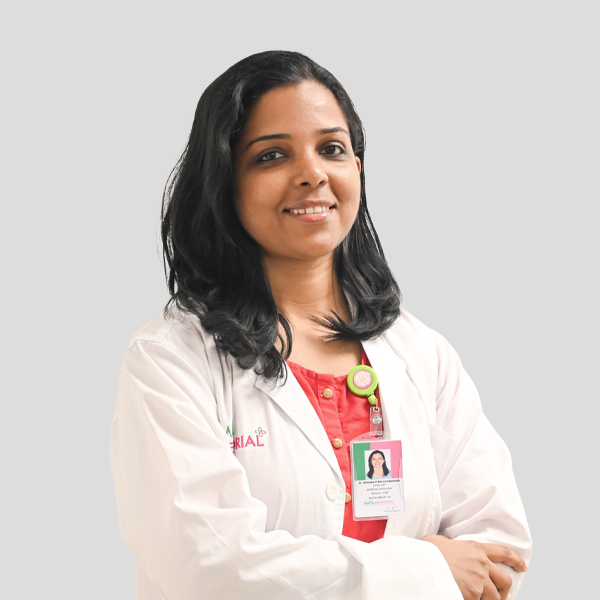
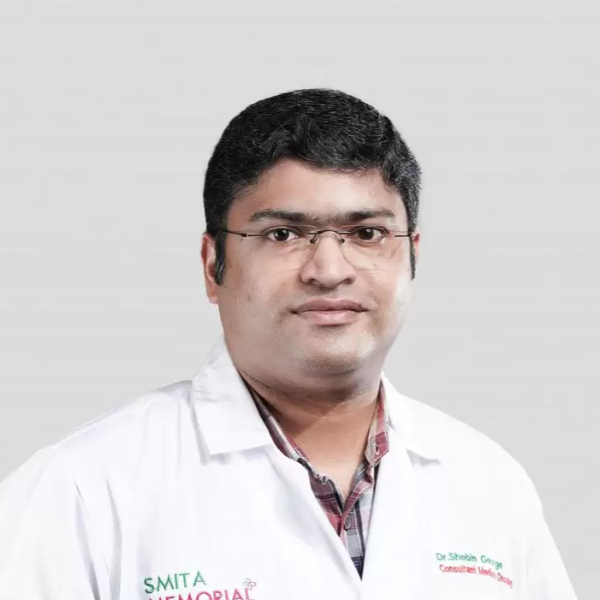
Dr. Reshma R Balachandran
MBBS, MS (General Surgery), MCh (Surgical Oncology) DNB (General Surgery)…
Frequently asked questions
Is blood cancer curable?
Many blood cancers can be treated effectively, and some can be cured. Outcomes depend on the type, stage and the patient's health.
Can children get blood cancer?
Yes. Some types, such as acute lymphoblastic leukaemia, are more common in young people. The hospital provides paediatric haematology and oncology.
Are platelet transfusions available?
Yes. The Blood Centre provides platelet concentrate, packed red cells and plasma 24×7.
Does Dr. Suresh Advani lead oncology at Smita Hospital?
Yes. Prof. (Dr.) Suresh Advani leads the Oncology Department. Call +91 94961 43852 to ask about consultation.
Sources
- Dr. Suresh Advani — Blood Cancer Facts You Should Be Aware Of!, drsureshadvani.in
- Oncology, Blood Centre & Laboratory, smitahospital.com
- About Dr. Suresh Advani, drsureshadvani.in