
Normal ageing or something more?
Occasionally misplacing keys or forgetting a name and remembering it later is part of normal ageing. Dementia is different: it is a decline in memory and thinking that is severe enough to interfere with everyday life, and it usually gets worse over time.
- Repeating the same questions or stories within a short time
- Getting lost in familiar places
- Difficulty managing money, medicines or household tasks that were once easy
- Trouble following conversations or finding words
- Changes in personality, mood, suspicion or withdrawal
- Poor judgement, such as unsafe decisions
Some causes of memory problems are treatable — such as thyroid problems, vitamin deficiencies, depression, medicine side effects or infections — so proper evaluation is important.
Early signs of Parkinson's disease
Parkinson's disease is a movement disorder in which certain brain cells gradually stop producing enough dopamine. Early signs can be subtle:
- A tremor, often in one hand, noticeable at rest
- Slowness of movement and smaller steps
- Stiffness in the arms, legs or neck
- Reduced facial expression or a softer voice
- Smaller handwriting
- Balance problems later in the illness
How evaluation is done
Smita Memorial Hospital's Department of Neurology manages Parkinsonism and movement disorders, dementia and cognitive dysfunction in its outpatient service. The Department of Behavioural Sciences runs memory clinics for the evaluation and management of memory-related issues, and offers psychological assessment using standardised tests, interviews and observation.
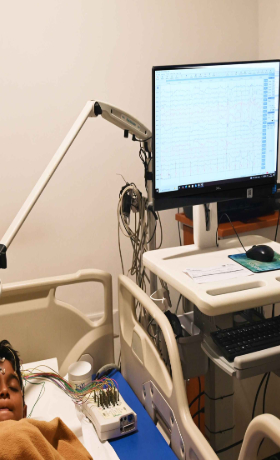
- A detailed history from the patient and a family member
- Memory and thinking tests
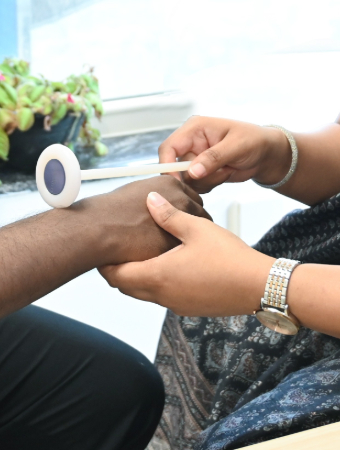
- Neurological examination
- Blood tests to look for reversible causes
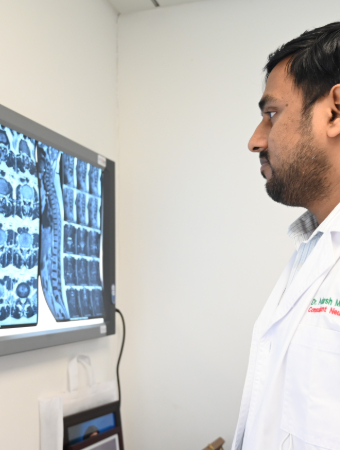
- Brain imaging with CT or MRI where needed
Treatment and support
There are medicines that can help symptoms in many types of dementia and in Parkinson's disease. Just as important are practical support, rehabilitation and care for the family.
- Neuro-rehabilitation for memory and cognitive impairment, with the Department of Physical Medicine and Rehabilitation
- Physiotherapy for neurological conditions including Parkinson's, and geriatric rehabilitation for mobility and balance
- Neuropsychiatry for conditions affecting both mind and brain
- Family therapy to improve communication and support caregivers
- SMHRC @ Home services — Doctor@Home, Nurse@Home and Physiotherapy@Home — for patients who find travel difficult
Common types of dementia
- Alzheimer's disease — the most common type; memory loss for recent events is often the earliest sign
- Vascular dementia — related to strokes or reduced blood flow to the brain; changes may occur in steps
- Dementia with Lewy bodies — may include visual hallucinations, fluctuating alertness and Parkinson's-like movement problems
- Frontotemporal dementia — often starts with changes in personality, behaviour or language
Knowing the likely type helps doctors choose treatment and helps families understand what to expect.
Preparing for the memory clinic appointment
- Bring a family member who knows the person well
- Write down examples of memory or behaviour changes and when they started
- Bring all current medicines, including supplements
- Bring previous reports and scans
- Note any falls, sleep problems, mood changes or hallucinations
Keeping the brain active and healthy
- Stay physically active as advised
- Keep socially connected — conversations, family events, community activities
- Engage in mentally stimulating activities such as reading, puzzles or music
- Control blood pressure, diabetes and cholesterol
- Treat hearing loss — the Audiology department offers hearing assessment and hearing aid trials
- Sleep well and avoid alcohol
Planning ahead as a family
Dementia and Parkinson's disease are long-term conditions. Early diagnosis gives the person a chance to take part in decisions about their future care, finances and wishes while they are able to. Families should discuss who will coordinate care, how responsibilities will be shared, and what support is available at home. Counselling and family therapy through the Department of Behavioural Sciences can help families cope with these changes.
Specialists you can consult


Dr. Prashanth Poulose
MBBS, MD (Internal Medicine), DM (Medical Neurology), Post doctoral fellowship…
Frequently asked questions
Is memory loss always dementia?
No. Stress, depression, poor sleep, thyroid problems, vitamin deficiency and some medicines can affect memory. A doctor's evaluation identifies the cause.
Does Smita Memorial Hospital have a memory clinic?
Yes. The Department of Behavioural Sciences runs memory clinics, and the Neurology department manages dementia and cognitive dysfunction.
Can Parkinson's disease be treated?
There is no cure yet, but medicines and physiotherapy can improve symptoms and quality of life for many people.
Can a doctor visit an elderly patient at home?
Yes. SMHRC @ Home offers Doctor@Home, Nurse@Home and Physiotherapy@Home. Call +91 4862 208000 or +91 4862 350700.
Sources
- Department of Neurology, smitahospital.com
- Behavioral Sciences, smitahospital.com
- Homecare Services, smitahospital.com