What is a seizure?
The brain works through electrical signals between nerve cells. During a seizure, many cells fire abnormally at the same time. Depending on which part of the brain is affected, a seizure can cause jerking of the body, stiffening, staring spells, unusual sensations, or loss of awareness.
Not every seizure means epilepsy. A single seizure can be triggered by high fever in children, low blood sugar, infections, head injury, alcohol withdrawal or other illnesses. Epilepsy is usually diagnosed when a person has had repeated seizures without such a clear cause.
First aid during a seizure
- Stay calm and note the time the seizure starts
- Move hard or sharp objects away; cushion the head
- Loosen tight clothing around the neck
- Once jerking stops, turn the person onto their side to keep the airway clear
- Stay with them until they are fully awake
- Do not put anything in the mouth, and do not try to hold down their movements
- Do not give food or water until they are fully alert
When a seizure is an emergency
- It is the person's first seizure
- The seizure lasts more than five minutes, or seizures follow one after another without recovery in between
- The person does not regain awareness
- There is difficulty breathing, injury, or the seizure happened in water
- The person is pregnant, has diabetes, or has had a head injury
- A child has a seizure with high fever and is unusually drowsy
How epilepsy is diagnosed
The neurologist first takes a detailed history — a video of the episode taken by a family member can be very helpful. Tests commonly include:
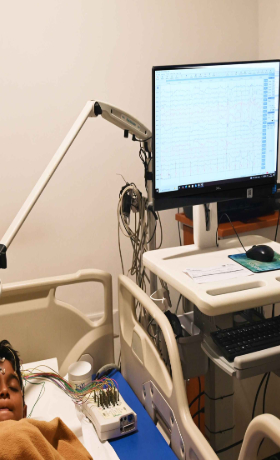
- Electroencephalogram (EEG) — records the brain's electrical activity through small electrodes on the scalp; it is painless and non-invasive
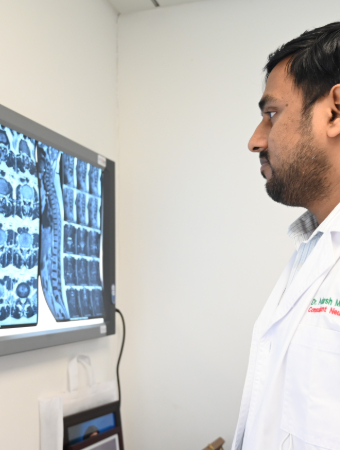
- MRI or CT scan of the brain to look for structural causes
- Blood tests to rule out metabolic causes
Smita Memorial Hospital's Neurology Lab performs EEG to diagnose and monitor epilepsy, evaluate sleep disorders and detect encephalopathies, along with nerve conduction studies, EMG and evoked potentials.
Treatment
Most people with epilepsy achieve good seizure control with the right medicine taken regularly. The neurologist chooses the medicine based on the seizure type, age, other conditions and, for women, pregnancy plans.
- Take medicines at the same time every day; never stop suddenly
- Get enough sleep — lack of sleep can trigger seizures
- Avoid alcohol and recreational drugs
- Keep a seizure diary and share it at follow-up visits
- Discuss driving, work and safety precautions with your doctor
For patients whose seizures continue despite medicines (refractory epilepsy), or those with continuous seizures, Smita Memorial Hospital's neurology department provides inpatient care in its Neuro ICU and neurology ward.
Different types of seizures
- Generalised tonic-clonic seizures — stiffening followed by jerking of the whole body and loss of consciousness
- Absence seizures — brief staring spells, more common in children, often mistaken for daydreaming
- Focal seizures — start in one area of the brain; may cause twitching of one limb, unusual sensations, or altered awareness
- Myoclonic seizures — sudden brief jerks
- Atonic seizures — sudden loss of muscle tone causing falls
Describing the episode precisely, and a phone video if safely possible, helps the neurologist identify the seizure type and choose the right treatment.
Common seizure triggers
- Missing medicine doses
- Lack of sleep
- Alcohol and alcohol withdrawal
- Fever and infections
- Stress
- Flashing lights in a small number of people
Safety at home, work and school
- Prefer showers over baths, and never swim alone
- Avoid heights and operating dangerous machinery until seizures are controlled
- Inform teachers, employers or close colleagues what to do during a seizure
- Follow the legal and medical advice on driving
- Wear or carry information about your condition
Epilepsy, pregnancy and women's health
Some seizure medicines interact with contraceptives, and some carry risks in pregnancy. Women with epilepsy should plan pregnancy with their neurologist so medicines can be reviewed beforehand, and should never stop medicines suddenly on discovering a pregnancy. With planning, most women with epilepsy have healthy pregnancies. Smita Memorial Hospital's neurology and obstetrics teams work in the same hospital, which helps coordinate care.
Specialists you can consult


Dr. Prashanth Poulose
MBBS, MD (Internal Medicine), DM (Medical Neurology), Post doctoral fellowship…
Frequently asked questions
Is an EEG test painful?
No. Small electrodes are placed on the scalp to record brain activity. It is non-invasive and painless.
Where can I get an EEG in Thodupuzha?
The Neurology Lab at Smita Memorial Hospital performs EEG, nerve conduction studies and EMG. Book on +91 94961 43852.
Can epilepsy be cured?
Many people become seizure-free with medicines, and some can eventually stop treatment under a neurologist's supervision. Outcomes depend on the cause and type of epilepsy.
Can women with epilepsy have children?
Yes, most can. Plan pregnancy with your neurologist so medicines can be reviewed before conception.
Sources
- Department of Neurology, smitahospital.com
- Neurology Lab, smitahospital.com