What are gallstones?
The gallbladder is a small pouch under the liver that stores bile, which helps digest fat. Gallstones are hard deposits that form in the gallbladder. They can block the flow of bile, causing pain and sometimes infection.
Symptoms
- Pain in the upper right or upper middle abdomen, often after fatty meals
- Pain spreading to the right shoulder or back
- Nausea or vomiting
- Bloating and indigestion
Many people have gallstones without any symptoms; these often do not need treatment.
Complications that need urgent care
- Cholecystitis — inflamed gallbladder with persistent pain and fever
- Jaundice — yellow eyes or skin, dark urine, pale stools, from a stone blocking the bile duct
- Pancreatitis — severe upper abdominal pain spreading to the back
Diagnosis
Ultrasound of the abdomen is the main test. Blood tests check liver function and infection. If a stone is suspected in the bile duct, further imaging or ERCP may be needed. Smita Memorial Hospital offers ultrasound, CT and MRI in Radiology, and ERCP in its endoscopy suites.
Treatment: laparoscopic cholecystectomy
For gallstones causing symptoms, the usual treatment is removal of the gallbladder by laparoscopic (keyhole) surgery. The surgeon uses small incisions and a camera. People can live normally without a gallbladder.
- Smaller scars and usually less pain than open surgery
- Shorter hospital stay
- Faster return to normal activities
Smita Memorial Hospital's General and Laparoscopic Surgery department performs laparoscopic cholecystectomy and treats emergencies such as cholecystitis, with the Gastroenterology department managing gallbladder stones, biliary tract disease and pancreatitis.
After surgery
- Walk early as advised
- Eat light meals initially
- Keep wounds clean and dry
- Report fever, increasing pain, jaundice or wound discharge
Who is more likely to get gallstones
- Women, particularly during pregnancy or with hormonal treatment
- People who are overweight
- Rapid weight loss
- Increasing age
- Family history
- Diabetes and some other medical conditions
Diet after gallbladder removal
Most people can return to a normal diet after recovery. In the early weeks, some find that large, fatty meals cause loose stools or discomfort. Eating smaller meals, increasing fibre gradually and reintroducing richer foods slowly usually helps. The body adapts over time.
When emergency surgery is needed
Some patients arrive with acute cholecystitis, a severely inflamed gallbladder, or with complications such as infection spreading or a blocked bile duct. Smita Memorial Hospital's surgical team assesses emergency patients quickly in the casualty department, stabilises them and prepares for surgery without delay when needed. Bile duct stones may be cleared by ERCP before or after gallbladder removal.
Laparoscopic vs open surgery
Most gallbladder operations are done laparoscopically. Occasionally, the surgeon may need to convert to open surgery for safety — for example with severe inflammation, bleeding or unclear anatomy. This is a safety decision, not a failure. Your surgeon will discuss this possibility before the operation.
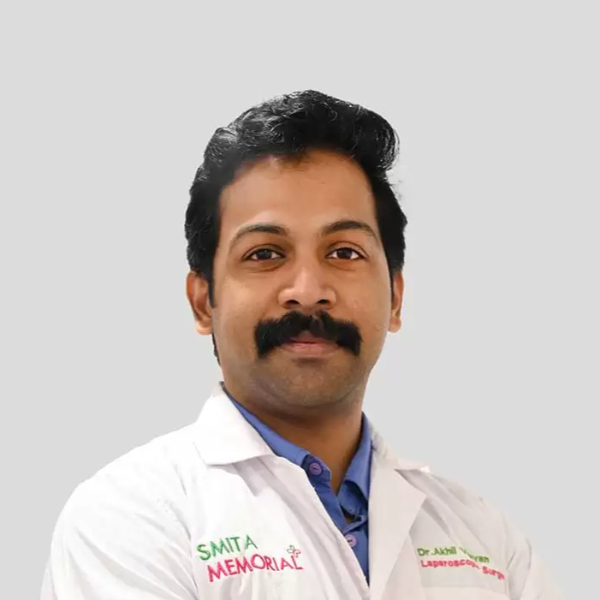
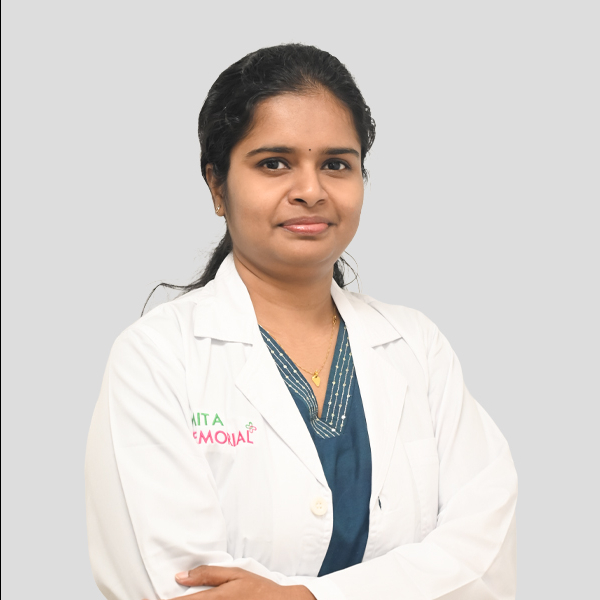
Specialists you can consult

Frequently asked questions
Do all gallstones need surgery?
No. Stones that cause no symptoms often need no treatment. Surgery is advised for painful attacks or complications.
Can I live without a gallbladder?
Yes. Bile flows directly from the liver to the intestine after removal.
Is keyhole gallbladder surgery done in Thodupuzha?
Yes. Smita Memorial Hospital performs laparoscopic cholecystectomy.
Is gallbladder surgery covered by insurance?
The hospital is empanelled with Medisep, ECHS, CGHS and many insurers. Check with the TPA desk before planned surgery.
Sources
- General and Laparoscopic Surgery, smitahospital.com
- Gastroenterology, smitahospital.com