Treat every snake bite as serious
Not all snakes are venomous, and not every bite from a venomous snake injects venom. But it is usually impossible to be sure at the scene. Every snake bite should be assessed in a hospital, even if the person feels well at first — symptoms can appear hours later.
Correct first aid
- Move away from the snake — do not try to catch or kill it
- Keep the person calm and as still as possible; movement can spread venom
- Remove rings, bangles, watches and tight clothing near the bite before swelling starts
- Keep the bitten limb still and at a comfortable resting level
- Note the time of the bite and, if safe, a description of the snake (a photo from a distance can help)
- Carry the person or transport them — avoid making them walk
- Go to hospital immediately
What NOT to do
- Do not cut the wound
- Do not try to suck out the venom
- Do not tie a tight tourniquet
- Do not apply ice, herbs, chemicals or electric shocks
- Do not give alcohol or medicines by mouth
- Do not waste time on traditional remedies before reaching hospital
Warning signs
- Increasing pain and swelling at the bite
- Bleeding from the bite, gums or nose, or blood in urine
- Drooping eyelids, difficulty swallowing or speaking
- Breathing difficulty
- Drowsiness, vomiting or collapse
What happens at the hospital
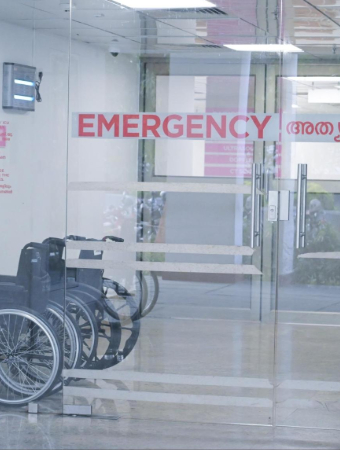
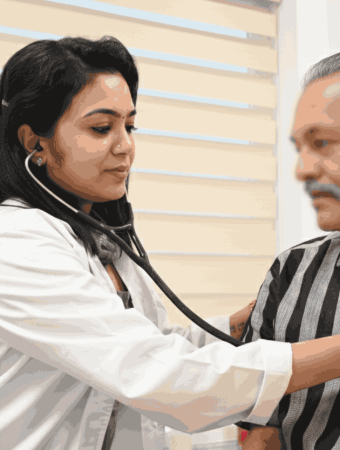
Smita Memorial Hospital's Emergency Department lists snake bite among the emergencies it treats 24×7. The team assesses the patient, monitors for signs of poisoning, runs blood tests including clotting tests in the 24×7 laboratory, and gives treatment decided by the doctor. The Emergency Department is supported by ventilators, ICUs and a 24×7 blood centre if a patient becomes seriously unwell.
Common situations where snake bites happen
- Working in plantations, paddy fields and gardens
- Walking in the dark without a torch
- Collecting firewood or clearing bushes
- Reaching into holes, woodpiles or dense vegetation
- Monsoon season, when snakes move into homes and sheds
Prevention
- Wear boots and long trousers when working outdoors
- Use a torch at night
- Keep the surroundings of the house clear of tall grass, rubbish and woodpiles
- Store grain and feed in closed containers to avoid rodents that attract snakes
- Check footwear and bedding before use
- Sleep on a raised bed or use a mosquito net tucked in, where snakes are common
Why observation in hospital matters
Even when a bite looks minor, the effects of venom can take time to appear. Blood-clotting problems or nerve effects may develop hours later. Hospital observation with repeated examination and blood tests lets doctors detect envenomation early and start treatment promptly. Leaving hospital too soon, or not coming at all, can be dangerous.
Help the emergency team help you
- Tell them the time of the bite and where on the body
- Describe the snake if seen, or show a photo
- Mention any first aid or remedies used
- Tell them about allergies, medicines and medical conditions
- Report any new symptoms immediately, however small
Specialists you can consult

Dr. Bineesh Mon Gopi
MBBS, BLS & ACLS Instructor, Masters in Emergency Medicine (MEM)


Frequently asked questions
Should I try to identify the snake?
Only if it is safe. Do not try to catch or kill it. A description or distant photo can help but is not essential.
Is a tourniquet helpful for snake bite?
No. Tight tourniquets can cause serious harm. Keep the limb still and get to hospital.
Can symptoms be delayed?
Yes. Some effects appear hours later, which is why every bite needs hospital observation.
Does Smita Hospital treat snake bites at night?
Yes, snake bite is treated 24×7 in the Emergency Department.
Sources
- Emergency Services, smitahospital.com
- Ambulance Services, smitahospital.com