What is obstructive sleep apnoea?
During sleep, the muscles of the throat relax. In obstructive sleep apnoea, the airway repeatedly narrows or closes, causing breathing to pause. The brain briefly wakes the person to restart breathing — often many times an hour — without them remembering it.
Signs
- Loud, habitual snoring
- Pauses in breathing, choking or gasping noticed by a partner
- Waking unrefreshed and excessive daytime sleepiness
- Morning headaches
- Poor concentration and irritability
- Waking often to pass urine at night
Why it matters
Untreated sleep apnoea is associated with high blood pressure, heart problems, and a higher risk of accidents from daytime sleepiness. Treating it can improve sleep quality, energy and daily functioning.
Diagnosis: the sleep study
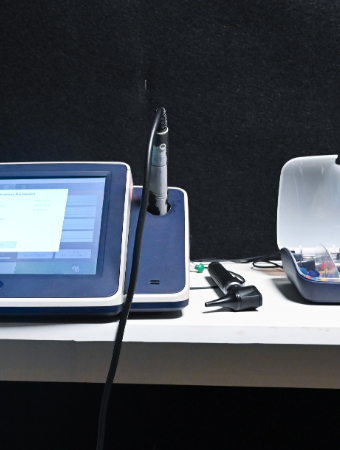
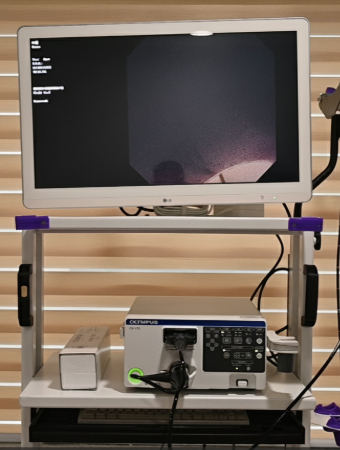
A sleep study records breathing, oxygen levels, heart rate and other signals overnight. Smita Memorial Hospital's Respiratory Medicine department has a state-of-the-art Sleep Laboratory for comprehensive sleep studies and CPAP titration for suspected sleep-related breathing disorders. EEG in the Neurology Lab can also help evaluate sleep disorders.
Treatment options
- CPAP — a machine that gently keeps the airway open with air pressure during sleep; titration finds the right pressure
- Weight reduction
- Avoiding alcohol and sedatives before bed
- Sleeping on the side
- Treatment of nasal blockage
- ENT evaluation and surgery in selected cases
The ENT, Head & Neck Surgery department at Smita Memorial Hospital diagnoses and manages snoring and sleep apnoea, and treats nasal and sinus problems.
Who is at higher risk
- Excess body weight, especially around the neck
- Male sex and increasing age
- Large tonsils or a narrow airway
- Nasal blockage
- Alcohol and sedatives
- Family history
Children can also have sleep apnoea, often related to enlarged tonsils or adenoids; signs include snoring, restless sleep, bedwetting and daytime behaviour or attention problems.
What happens during a sleep study
You spend a night in the sleep laboratory. Sensors are placed on the head, face, chest, finger and legs to record brain activity, breathing, oxygen levels, heart rhythm and movements while you sleep. It is painless. The results show how often breathing is interrupted and how severe the condition is, which guides treatment.
Getting used to CPAP
- Start by wearing the mask for short periods while awake
- Make sure the mask fits comfortably — different styles are available
- Use it every night, for the whole night
- Clean the mask and tubing regularly
- Report dryness, leaks or discomfort so settings can be adjusted
Many people notice better sleep and more daytime energy once they use CPAP regularly.
Sleep hygiene tips
- Keep a regular sleep schedule
- Avoid heavy meals, alcohol and caffeine close to bedtime
- Keep the bedroom dark, quiet and cool
- Limit screen use before sleep
- Stay physically active during the day
Specialists you can consult
Frequently asked questions
Is snoring always sleep apnoea?
No. Many people snore without sleep apnoea. Snoring with breathing pauses, gasping or daytime sleepiness should be evaluated.
Is a sleep study available in Thodupuzha?
Yes. Smita Memorial Hospital has a Sleep Laboratory for sleep studies and CPAP titration.
Which doctor should I see?
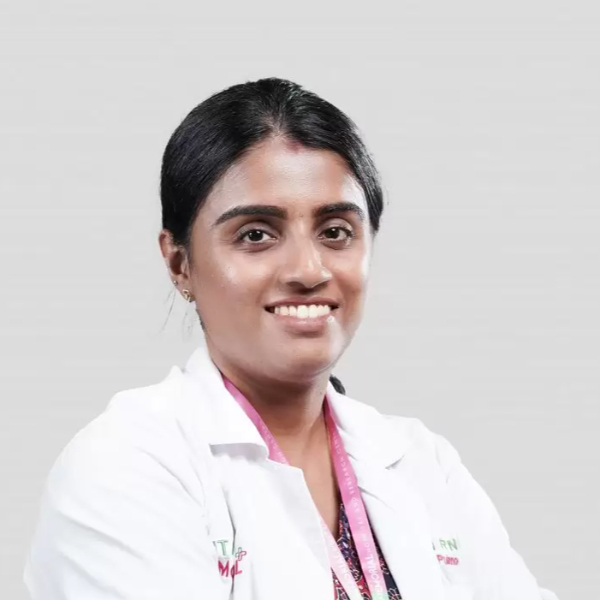
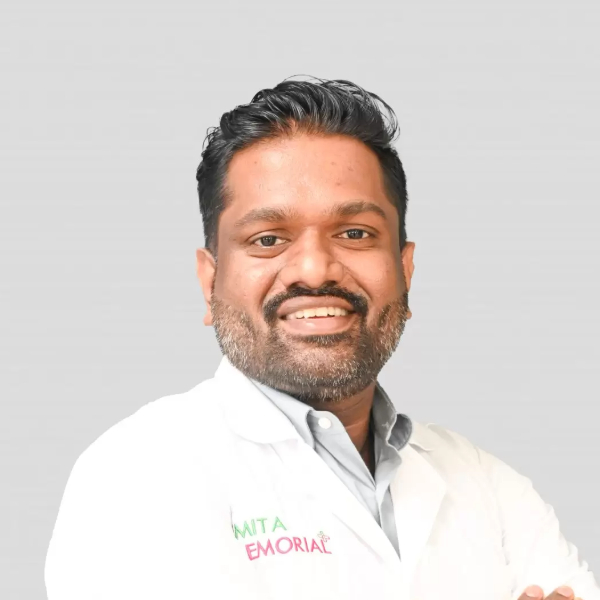
A pulmonologist (Respiratory Medicine) or ENT specialist. Both departments manage sleep apnoea.
Is CPAP comfortable?
Most people adjust with the right mask and pressure, which is set during CPAP titration.
Sources
- Respiratory Medicine, smitahospital.com
- ENT, Head & Neck Surgery, smitahospital.com