How the heart's electrical system works
Every heartbeat starts with an electrical signal from the heart's natural pacemaker, the sinus node. The signal travels through a conduction pathway to make the heart muscle contract in a coordinated way. If this system becomes slow, blocked or irregular, the heart may beat too slowly or pause, reducing blood flow to the brain and body.
Symptoms that may need a pacemaker
- Fainting or near-fainting episodes
- Dizziness or light-headedness
- Unusual tiredness and reduced ability to exercise
- Breathlessness
- Confusion, especially in older adults
- A very slow pulse found on examination or ECG
Tests such as ECG, Holter monitoring (24 hours up to 7 days) and electrophysiology (EP) studies help the cardiologist find the cause. Smita Memorial Hospital's cardiology department offers each of these.
Types of cardiac devices
- Conventional pacemaker — a small generator placed under the skin below the collarbone, with one or more leads (wires) into the heart
- Leadless pacemaker — a tiny self-contained device placed directly inside the heart through a vein, with no chest pocket or leads
- Left bundle branch pacing — a technique that paces the heart through its natural conduction pathway for a more natural contraction pattern
- Implantable cardioverter defibrillator (ICD) — monitors for dangerous fast rhythms and can deliver a shock to restore normal rhythm
- Cardiac resynchronisation therapy (CRT-P / CRT-D) — coordinates the two sides of the heart in selected patients with heart failure
Smita Memorial Hospital's Department of Cardiac Sciences lists all of these among its services, and pioneered leadless pacemaker implantation, left bundle branch pacemaker implantation and intracardiac defibrillator implantation in Idukki district.
How a pacemaker is implanted
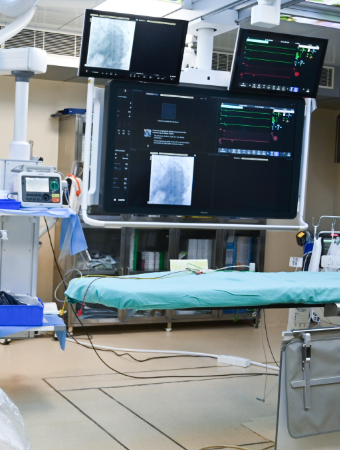
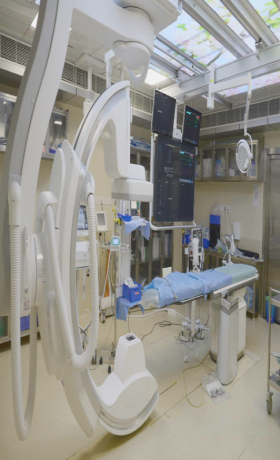
Implantation is performed in the cath lab, typically under local anaesthetic with sedation. For a conventional pacemaker, the doctor makes a small incision below the collarbone, guides the lead through a vein into the heart under X-ray, tests it, connects it to the generator and closes the pocket. A leadless pacemaker is delivered through a vein in the leg using a catheter and anchored inside the heart.
The device is then programmed to suit the patient. The team checks the settings before discharge.
Recovery and daily life
- Keep the wound clean and dry and follow dressing instructions
- For conventional pacemakers, avoid lifting the arm on the device side above shoulder level or heavy lifting for the period advised
- Carry your pacemaker identification card
- Keep mobile phones and similar devices away from the device site, as advised
- Inform staff at airport security and before any MRI, surgery or medical procedure
- Attend device checks regularly
When to call the doctor
- Swelling, redness, discharge or increasing pain at the wound
- Fever after implantation
- Return of dizziness, fainting or breathlessness
- Persistent hiccups or muscle twitching
- A shock from an ICD — follow the plan your doctor has given you
Common rhythm problems that need a device
- Sick sinus syndrome — the heart's natural pacemaker becomes unreliable, causing slow rates or pauses
- Heart block — signals are delayed or blocked between the upper and lower chambers
- Slow heart rate with atrial fibrillation
- Dangerous fast rhythms from the lower chambers — may need an ICD
- Heart failure with poorly coordinated contraction — may need CRT
Not every slow pulse needs a pacemaker. Some slow rates are normal in fit people, and some are caused by medicines or thyroid problems that can be corrected. The cardiologist looks for symptoms and a confirmed rhythm problem before recommending a device.
Electrophysiology studies and ablation
An electrophysiology (EP) study uses thin catheters inside the heart to map its electrical system and identify rhythm problems. For some fast rhythms, the problem area can be treated during the same procedure using radiofrequency ablation, which can be curative. Smita Memorial Hospital's Department of Cardiac Sciences performs EP studies, radiofrequency ablation and 3D mapping with radiofrequency ablation — procedures it pioneered in Idukki district.
Preparing for implantation
- Tell the doctor about blood thinners; some may need adjusting
- Mention allergies, especially to antibiotics or iodine
- Follow fasting instructions
- Ask which side the device will be placed and plan loose, front-opening clothing
- Arrange for someone to take you home
Travel, work and daily activities
Most people return to normal activities after the initial healing period. Air travel is usually possible — carry your device card and inform security staff. Household appliances are generally safe to use. Avoid leaning over running car engines and stay away from strong magnetic fields and industrial equipment unless your doctor has checked it is safe. Your cardiologist will advise when you can return to work, drive and exercise.
Specialists you can consult

Frequently asked questions
What is a leadless pacemaker?
It is a very small pacemaker placed inside the heart through a vein, without a chest pocket or wires. Smita Memorial Hospital pioneered leadless pacemaker implantation in Idukki district.
How long does a pacemaker battery last?
Battery life varies with the device and how often it paces. Regular checks at the Pacemaker Clinic monitor the battery so replacement can be planned in advance.
Can I use a mobile phone with a pacemaker?
Yes, but keep the phone away from the device site — for example, use the ear on the opposite side and do not carry it in a chest pocket over the device.
Can I have an MRI with a pacemaker?
Some modern devices are MRI-conditional. Always tell the radiology team about your device so the correct precautions can be taken.
Sources
- Department of Cardiac Sciences, smitahospital.com