When home care helps
- After discharge from hospital or surgery
- For elderly people who find travel difficult
- For long-term conditions needing regular nursing
- For rehabilitation after stroke or fractures
- For regular blood tests and medicine delivery
Preventing falls
- Keep floors dry and clear of clutter
- Use night lights and grab bars in the bathroom
- Ensure footwear is non-slip
- Review medicines that cause dizziness with the doctor
- Use walking aids as advised
Preventing pressure sores
- Change the position of a bedridden person regularly
- Keep skin clean and dry
- Check heels, hips and lower back daily for redness
- Ensure good nutrition and fluids
- Report any skin breakdown early
Warning signs to act on
- Sudden confusion or drowsiness
- Fever, breathlessness or chest pain
- Not eating or drinking, or passing very little urine
- A fall with pain or inability to move
- Signs of stroke
SMHRC @ Home services
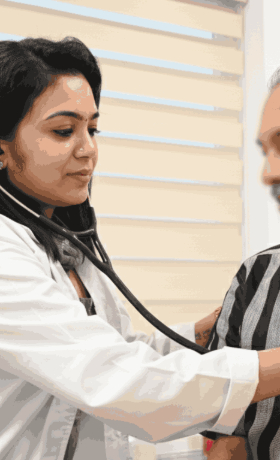
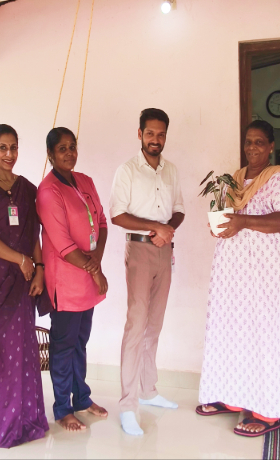
- Doctor@Home — routine check-ups, post-operative care or ongoing treatment
- Nurse@Home — wound care, injections, medication administration and help with daily activities
- Physiotherapy@Home — personalised exercise programmes
- Lab Services@Home — sample collection by phlebotomists
- Pharmacy@Home — prescribed medicines delivered
- Medical Equipment@Home — mobility aids and monitoring devices for rent or purchase
Book on +91 4862 208000 or +91 4862 350700.
Caring for the caregiver
Looking after a family member is demanding. Share tasks, take breaks and seek help. The Department of Behavioural Sciences offers counselling and family therapy.
Medicine management at home
- Use a weekly pill organiser
- Keep an up-to-date medicine list
- Set alarms or reminders for dose times
- Do not stop or change medicines without advice
- Dispose of old or discontinued medicines safely
- Arrange regular supply — the hospital pharmacy offers free home delivery for orders above ₹500 with a prescription
Nutrition and hydration in older adults
Older people often eat and drink less, which can lead to weakness, confusion, constipation and falls. Offer small frequent meals, soft foods if chewing is difficult, and regular drinks through the day. Weigh regularly if possible. Dietitians at Smita Memorial Hospital provide nutrition plans for seniors.
Keeping active and connected
- Encourage gentle movement every day as able
- Follow the physiotherapist's exercise plan
- Maintain routines and social contact
- Treat hearing and vision problems
- Watch for signs of low mood or loneliness
Physiotherapy@Home at Smita Memorial Hospital designs personalised exercise regimens to promote mobility from the comfort of home.
Specialists you can consult
Frequently asked questions
Can a doctor visit at home in Thodupuzha?
Yes. SMHRC @ Home offers Doctor@Home consultations.
Can I rent a hospital bed or wheelchair?
Medical Equipment@Home provides mobility aids and monitoring devices for rent or purchase.
Is physiotherapy available at home?
Yes, through Physiotherapy@Home.
How do I book home care?
Call +91 4862 208000 or +91 4862 350700.
Sources
- Homecare Services, smitahospital.com
- Behavioral Sciences, smitahospital.com