What makes a pregnancy high-risk?
- Mother's age — very young or older mothers
- Diabetes before or during pregnancy (gestational diabetes)
- High blood pressure or pre-eclampsia
- Thyroid, heart or kidney disease
- Twins or more
- Previous caesarean section, miscarriage or premature birth
- Problems with the placenta or baby's growth
- Anaemia, obesity or infections
Having one of these does not mean something will go wrong. It means the care plan is adjusted to catch problems early.
Warning signs that need immediate care
- Vaginal bleeding
- Leaking fluid from the vagina
- Severe abdominal pain or regular contractions before term
- Reduced or no baby movements
- Severe headache, blurred vision or swelling of the face and hands
- Fits
- High fever
- Breathlessness or chest pain
Antenatal care for a high-risk pregnancy
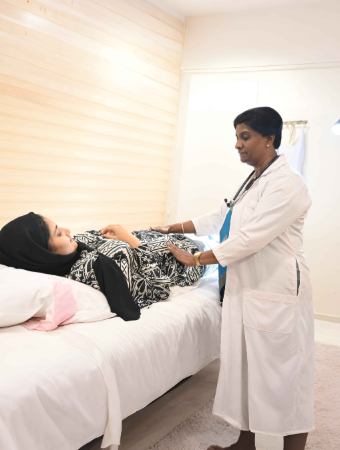
- More frequent check-ups of blood pressure, weight and urine
- Blood tests including blood sugar and haemoglobin
- Ultrasound scans to monitor the baby's growth
- Management of diabetes and thyroid with specialists
- A delivery plan made in advance with your obstetrician
Smita Memorial Hospital's Obstetrics and Gynaecology department provides full-spectrum pregnancy care including prenatal and postnatal management and high-risk pregnancy care. The Endocrinology department manages gestational diabetes, and dietitians provide tailored nutrition plans for pregnant women.
Why the place of delivery matters
For a high-risk pregnancy, delivering where emergency obstetric care, anaesthesia and newborn intensive care are immediately available reduces delays if help is needed.
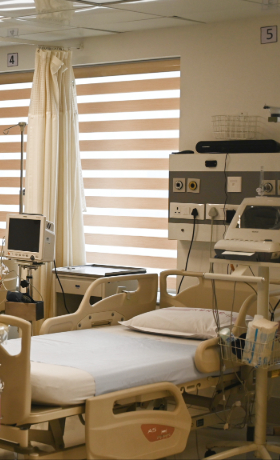
- Labour rooms, LDR suites and a labour operation theatre on the 2nd floor
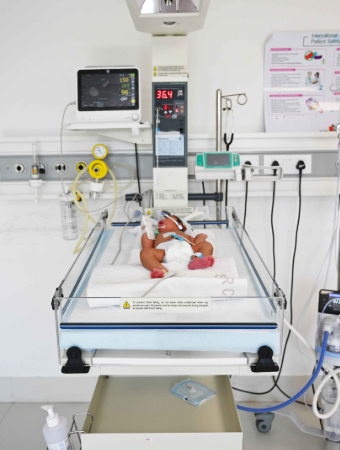
- A 7-bed NICU on the same floor, with neonatologists joining high-risk deliveries
- An 8-bed Paediatric ICU — the first Level 3 PICU in Idukki district
- 24×7 blood centre and laboratory
- Private single rooms for every mother
Delivery options
Your obstetrician will discuss whether a normal delivery, painless delivery, VBAC (vaginal birth after caesarean) or caesarean section is safest. All are offered at Smita Memorial Hospital.
Pre-eclampsia: a condition every pregnant woman should know
Pre-eclampsia is a pregnancy condition in which blood pressure rises and organs such as the kidneys and liver can be affected, usually in the second half of pregnancy. It can develop even in women who felt completely well before. This is one reason why blood pressure and urine are checked at every antenatal visit.
- Severe headache that does not go away
- Blurred vision or seeing flashing lights
- Pain just below the ribs, especially on the right
- Sudden swelling of the face, hands or feet
- Vomiting in late pregnancy
Gestational diabetes in more detail
Gestational diabetes is high blood sugar that first appears during pregnancy. It often causes no symptoms, so blood sugar testing during pregnancy is important. Well-controlled gestational diabetes usually leads to a healthy pregnancy, but uncontrolled sugar can make the baby grow very large and increase the risk of complications at delivery and low blood sugar in the newborn.
- Follow the meal plan from your dietitian
- Stay active as advised
- Check blood sugar as instructed and record the readings
- Take medicines or insulin if prescribed
- Have blood sugar checked after delivery, as the risk of type 2 diabetes later in life is higher
Baby movements: a daily check
From the later part of pregnancy, most women feel a regular pattern of baby movements. A reduction or change in this pattern can be an early sign that the baby needs to be checked. Do not wait until the next day, and do not rely on home devices to listen to the heartbeat. Contact the maternity team or come to hospital so the baby's wellbeing can be assessed.
Preparing for delivery
- Discuss your birth plan and pain relief options with your obstetrician
- Know the signs of labour and when to come in
- Keep a hospital bag ready from the last weeks of pregnancy
- Carry your antenatal card, scan reports and blood group report
- Arrange transport and a contact person
- Complete insurance or scheme paperwork in advance for planned admission
Specialists you can consult
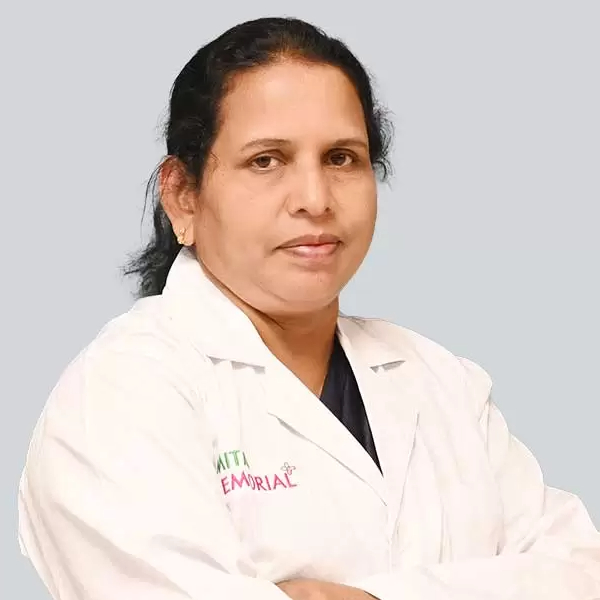
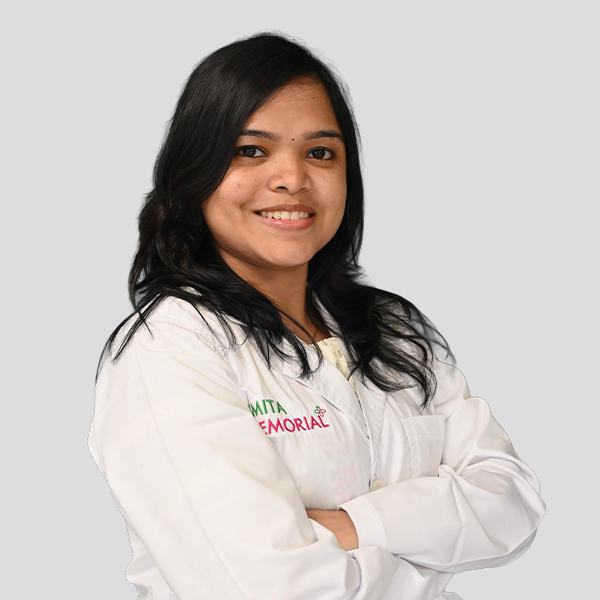
Dr. Anies M.S
MBBS, MRCOG: Part 2, Fellowship in HIV Medicine. Certicate of Sonography…

Frequently asked questions
Is gestational diabetes a high-risk pregnancy?
Yes, it needs closer monitoring. It is managed with diet, activity and sometimes medicines, with the obstetrics and endocrinology teams.
Is there a NICU near the labour room at Smita Hospital?
Yes. The labour room, LDR suites, OBGYN OPD and 7-bed NICU are all on the 2nd floor.
Can I have a normal delivery after a caesarean?
VBAC is offered to suitable mothers after careful assessment by the obstetrician.
How do I book a gynaecologist in Thodupuzha?
Call Smita Memorial Hospital on +91 94961 43852 or book on WhatsApp.
Sources
- Obstetrics and Gynaecology, smitahospital.com
- Labour Suites, smitahospital.com
- Pediatrics, smitahospital.com