What is BPH?
The prostate is a small gland below the bladder that surrounds the urethra. Benign prostatic hyperplasia means a non-cancerous enlargement of this gland. It is common with increasing age.
Symptoms
- Waking often at night to pass urine
- Weak or interrupted urine stream
- Difficulty starting urination
- Feeling that the bladder does not empty fully
- Urgency or dribbling
- Sudden inability to pass urine — an emergency
Tests
- Uroflowmetry — a non-invasive test that measures the urine flow pattern; used for BPH, strictures and neurogenic bladder
- Urine and blood tests, including kidney function
- Ultrasound of the kidneys, bladder and prostate
- MRI prostate and USG-guided prostate biopsy when cancer needs to be ruled out
Smita Memorial Hospital offers uroflowmetry, urological blood investigations, CT and MRI prostate, USG-guided prostate biopsy and histopathology.
Treatment
- Lifestyle changes — reducing fluids late in the evening, limiting caffeine and alcohol
- Medicines to relax the prostate or shrink it
- TURP (transurethral resection of the prostate) — endoscopic removal of the blocking prostate tissue through the urethra, with no external cut
- Prostatic artery embolisation by interventional radiology for selected patients
Smita Memorial Hospital's Urology Department performs TURP, and the Interventional Radiology department lists prostatic artery embolisation for BPH.
When to get help urgently
- You cannot pass urine at all
- Blood in the urine
- Fever with urinary symptoms
- Severe lower abdominal pain
BPH or prostate cancer?
An enlarged prostate and prostate cancer can cause similar urinary symptoms, and both become more common with age. They are different conditions, and having BPH does not mean you will get cancer. The urologist may recommend a PSA blood test, examination and, where needed, MRI prostate and biopsy to tell them apart. Smita Memorial Hospital's screening camps with the Helping Hand NGO have distributed PSA coupons to encourage early testing.
Lifestyle tips that ease symptoms
- Reduce fluid intake in the evening, but do not cut total daily fluids too much
- Limit caffeine and alcohol, which increase urine production
- Empty the bladder twice — wait a moment and try again
- Keep active and avoid constipation
- Review medicines such as some cold remedies that can worsen symptoms
What recovery after TURP is like
- A urinary catheter is placed for a short time after surgery
- Some blood in the urine is common initially
- Drink plenty of fluids as advised
- Avoid heavy lifting and straining for the period recommended
- Urine flow usually improves noticeably once healing occurs
- Report inability to pass urine, heavy bleeding with clots or fever
Specialists you can consult

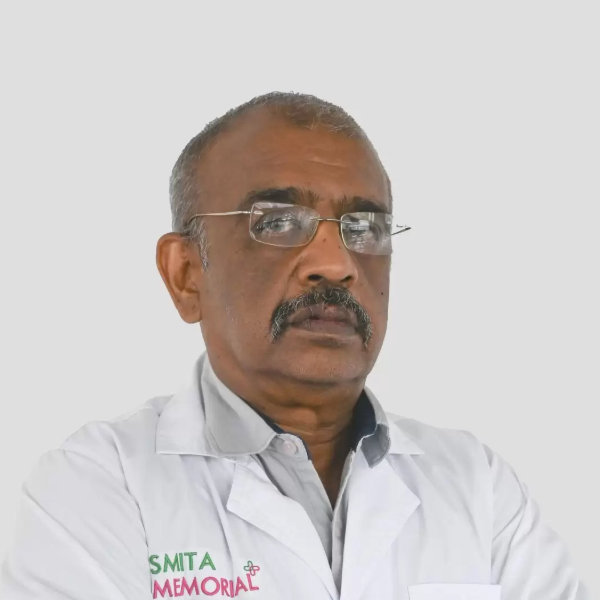
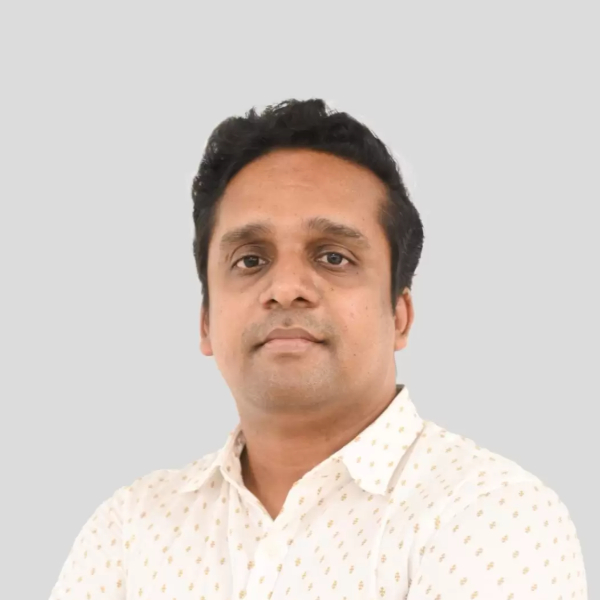
Dr. Kim Jacob Mammen
MBBS, MS, MCh. (Urol), DNB (Urol), FRCS (Urol) FRCS (Glasgow), FACS, MNAMS…
Frequently asked questions
Is an enlarged prostate cancer?
No. BPH is non-cancerous, but some symptoms overlap with prostate cancer, so a urologist may recommend tests.
What is TURP?
An endoscopic operation through the urethra that removes prostate tissue blocking urine flow, without an external incision.
Is uroflowmetry painful?
No. You pass urine into a special device that measures the flow.
Where can I see a urologist in Thodupuzha?
At Smita Memorial Hospital. Book on +91 94961 43852.
Sources
- Urology, smitahospital.com
- Diagnostics, smitahospital.com
- Interventional Radiology, smitahospital.com