What the kidneys do
The kidneys filter waste and extra fluid from the blood, balance salts and minerals, help control blood pressure and support red blood cell production. In chronic kidney disease (CKD), this filtering ability declines slowly over months or years.
Who is at risk
- Diabetes
- High blood pressure
- Heart disease
- Family history of kidney disease
- Repeated kidney stones or urinary infections
- Long-term use of certain painkillers without medical advice
- Older age
People in these groups benefit from simple regular tests — a urine test for protein and a blood test for creatinine.
Symptoms, often late
- Swelling of the feet, ankles or face
- Foamy urine or blood in the urine
- Passing less urine, or passing urine often at night
- Tiredness, weakness and poor appetite
- Itching, nausea or vomiting
- Breathlessness in advanced disease
Treatment to slow kidney disease
The Nephrology Department at Smita Memorial Hospital provides diagnostic, therapeutic and preventive care for acute and chronic kidney disease, hypertension, diabetic nephropathy, proteinuria, kidney infections and stones.
- Control of blood pressure and blood sugar
- Medicines to protect the kidneys as prescribed
- Diet advice on salt, protein and fluids from a dietitian
- Avoiding medicines that can harm the kidneys
- Regular follow-up and blood tests
When dialysis is needed
When the kidneys can no longer keep the body in balance, dialysis takes over part of their work. The nephrologist decides the timing based on symptoms and blood tests.
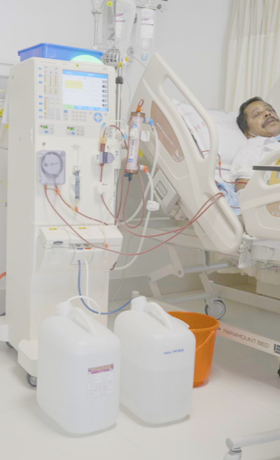
- Haemodialysis — blood is filtered through a machine, usually in sessions several times a week
- SLED (slow low-efficiency dialysis) — a gentler form for unstable or critically ill patients
- Peritoneal dialysis — uses the lining of the abdomen to filter waste
Smita Memorial Hospital offers 24×7 haemodialysis, SLED and ultrafiltration, and peritoneal dialysis. A deluxe dialysis facility provides treatment in isolation with dedicated staff and disposable consumables, and isolation dialysis is available for patients with infections.
Dialysis access and procedures
- Temporary and tunnelled catheter insertion under fluoroscopy
- AV fistula creation — joining an artery and vein in the arm for long-term haemodialysis
- Fistuloplasty for failing fistulas
- Peritoneal dialysis initiation
- Renal biopsy
Living well on dialysis
- Attend every session — missing sessions is dangerous
- Follow fluid and diet limits advised by your team
- Take medicines for blood pressure, anaemia and bone health as prescribed
- Keep active as your doctor allows
- Seek support for low mood — it is common and treatable
Stages of chronic kidney disease
Doctors describe CKD in stages based on how well the kidneys filter, estimated from a blood creatinine test (eGFR), and on whether there is protein in the urine.
- Early stages — kidney function is mildly reduced; the focus is on finding the cause and protecting the kidneys
- Middle stages — more noticeable reduction; medicines, diet and monitoring become more important
- Advanced stages — preparation for dialysis or other treatment is discussed
- Kidney failure — dialysis or transplant is needed to maintain health
Knowing your stage helps you and your doctor plan. Ask your nephrologist what your numbers mean.
Diet and fluids in kidney disease
Diet advice depends on the stage of disease and blood test results, so it should be personalised.
- Salt — usually restricted to help control blood pressure and swelling
- Protein — the amount may be adjusted; too much or too little can both be a problem
- Potassium and phosphorus — may need limits in advanced disease
- Fluids — may need to be restricted in dialysis patients
- Avoid unsupervised herbal remedies and painkillers
Smita Memorial Hospital's dietitians provide medical nutrition therapy for chronic conditions. Ask your nephrologist for a referral.
Haemodialysis or peritoneal dialysis?
- Haemodialysis — done at a dialysis centre in sessions, usually several times a week; needs a fistula or catheter
- Peritoneal dialysis — can often be done at home daily after training; uses a catheter in the abdomen
- The choice depends on medical factors, lifestyle, home support and patient preference
Smita Memorial Hospital offers both, along with SLED for critically ill patients, and interventional nephrology services such as peritoneal dialysis initiation.
Emergency warning signs for dialysis patients
- Severe breathlessness or chest pain
- Very high or very low blood pressure with dizziness
- Fever, especially with a catheter
- Loss of the buzz (thrill) in the fistula
- Muscle weakness or palpitations, which can signal high potassium
Specialists you can consult


Frequently asked questions
Is dialysis available 24 hours in Thodupuzha?
Yes. Smita Memorial Hospital offers 24×7 haemodialysis along with SLED and peritoneal dialysis.
Can an AV fistula be created at Smita Hospital?
Yes. The interventional nephrology service performs AV fistula creation, fistuloplasty and catheter insertion under fluoroscopy.
Is dialysis covered by Medisep or insurance?
The hospital is empanelled with Medisep, ECHS, CGHS and many insurers and TPAs. Confirm your cover with the TPA desk on the ground floor.
Who should get kidney tests?
People with diabetes, high blood pressure, heart disease or a family history of kidney disease should ask their doctor about regular urine and creatinine tests.
Sources
- Nephrology, smitahospital.com
- Dialysis, smitahospital.com
- Dietetics, smitahospital.com