Asthma
Asthma is a long-term condition in which the airways become inflamed and narrow in response to triggers. Symptoms often come and go.
- Wheezing and chest tightness
- Breathlessness
- Cough, often worse at night or early morning
- Triggers: dust, smoke, pollen, cold air, infections, exercise
COPD
Chronic obstructive pulmonary disease (COPD), which includes emphysema and chronic bronchitis, causes long-term airflow limitation that tends to worsen over time. Smoking is the main cause; long exposure to smoke from wood fires and occupational dust also contributes.
- Daily cough with phlegm
- Breathlessness that gradually worsens
- Frequent chest infections
Getting the diagnosis right
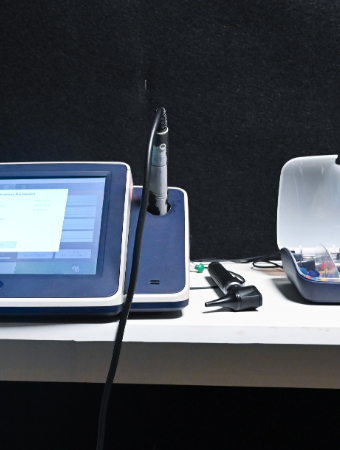
Pulmonary function testing (PFT) measures lung volumes, airflow and gas exchange, and spirometry measures how fast and how much air you breathe out. These tests help diagnose asthma, COPD and interstitial lung disease, and track whether treatment is working.
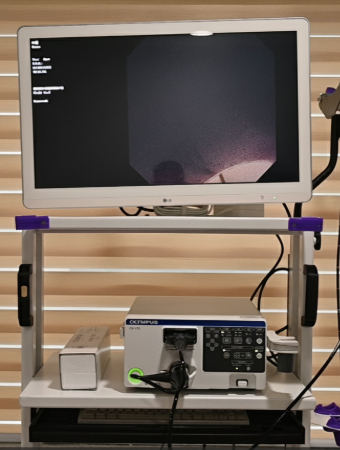
Smita Memorial Hospital's Respiratory Medicine department has a Pulmonary Function Laboratory, a bronchoscopy suite and a sleep lab. PFT is located on the ground floor.
Treatment
- Inhalers — the cornerstone of treatment; correct technique is essential
- Avoiding triggers and stopping smoking
- Vaccinations as advised
- Treatment of infections promptly
- Pulmonary rehabilitation — exercise and breathing training
Smita Memorial Hospital's Physiotherapy Department provides pulmonary rehabilitation for COPD, asthma and after lung surgery.
Living well
- Keep a written action plan from your doctor
- Carry your reliever inhaler
- Keep the home free of smoke and dust
- Stay active within your limits
- Attend regular reviews
Using inhalers correctly
Many people do not get the full benefit of their inhalers because of technique problems.
- Shake the inhaler if required and remove the cap
- Breathe out gently away from the inhaler
- Seal your lips around the mouthpiece
- Press and breathe in slowly and deeply at the same time (for metered-dose inhalers), or breathe in quickly and deeply (for dry-powder inhalers)
- Hold your breath for a few seconds, then breathe out slowly
- Rinse your mouth after steroid inhalers
- Use a spacer if advised — it makes metered-dose inhalers easier and more effective
Ask your doctor, nurse or pharmacist to check your technique at every visit.
Recognising an asthma or COPD flare-up
- Increased breathlessness or wheezing
- Needing the reliever inhaler more often
- Coughing more or bringing up more or discoloured phlegm
- Waking at night with symptoms
- Difficulty doing usual activities
Follow your written action plan and contact your doctor. Severe symptoms need emergency care.
Smoke from cooking and wood fires
In many homes, smoke from wood or biomass cooking fires contributes to lung disease, especially for women who cook in poorly ventilated kitchens. Improving ventilation, using cleaner fuels where possible and keeping children away from smoke can protect lung health.
Interstitial lung disease and other conditions
Not every breathless person has asthma or COPD. Interstitial lung disease, pulmonary hypertension, heart failure and anaemia can also cause breathlessness. Lung function tests, imaging and specialist assessment help find the right diagnosis. Smita Memorial Hospital's Respiratory Medicine department treats interstitial lung disease, pulmonary hypertension, bronchitis, pneumonia and tuberculosis, among other conditions.
Specialists you can consult


Frequently asked questions
What is the difference between asthma and COPD?
Asthma causes variable airway narrowing that often improves with treatment; COPD causes more persistent airflow limitation, usually linked to smoking.
Is a PFT test available in Thodupuzha?
Yes. Smita Memorial Hospital has a Pulmonary Function Laboratory.
Are inhalers safe for long-term use?
Inhalers deliver medicine directly to the lungs and are the recommended treatment. Your doctor will choose the right one and dose.
What is pulmonary rehabilitation?
A programme of exercise and breathing training that improves breathlessness and stamina. It is offered by the Physiotherapy Department.
Sources
- Respiratory Medicine, smitahospital.com
- Diagnostics & Physiotherapy, smitahospital.com