Two ways to treat blocked heart arteries
Both angioplasty and bypass surgery aim to improve blood supply to the heart muscle, relieve symptoms such as angina, and in many cases reduce the risk of future heart attacks. They work differently.
- Angioplasty (PCI) opens a narrowed artery from the inside, using a balloon and usually a stent, through a catheter inserted at the wrist or groin
- Coronary artery bypass grafting (CABG) creates a new route for blood around the blockage, using a blood vessel taken from elsewhere in the body, and is done as open-heart surgery
Some patients do well with medicines alone. The right choice depends on the individual.
Factors the heart team considers
- How many arteries are blocked and where the blockages are
- Whether the left main coronary artery is involved
- The length, complexity and calcification of the blockages
- How well the heart is pumping
- Diabetes and other conditions such as kidney or lung disease
- Age, overall fitness and the risks of surgery for that patient
- The patient's own preferences after understanding the options
In general, angioplasty is often preferred for one or two blockages that are technically suitable, and in emergencies such as a heart attack. Bypass surgery is often considered when many arteries are severely diseased, particularly in some patients with diabetes or reduced heart function. Every decision is individual.
What angioplasty involves
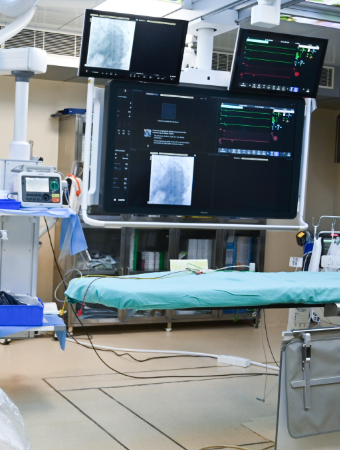
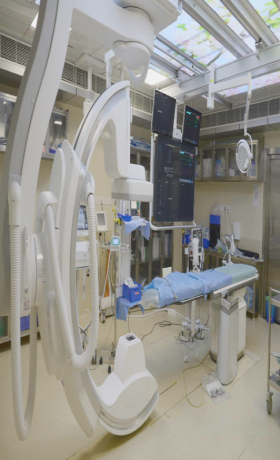
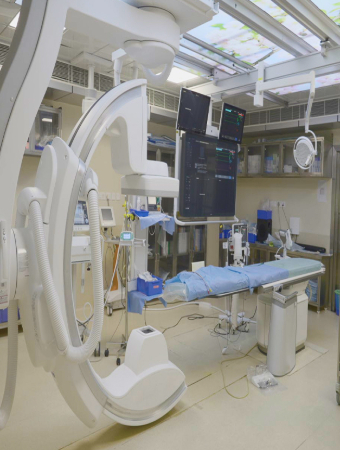
Angioplasty is performed in the cath lab under local anaesthetic. Recovery is usually quick. After a stent, patients must take blood-thinning medicines strictly as prescribed. At Smita Memorial Hospital, interventional options listed by the cardiology department include complex left main and bifurcation stenting, chronic total occlusion angioplasty, rotablation and intracoronary lithotripsy for calcified arteries, and imaging with IVUS and OCT.
What bypass surgery involves
CABG is major surgery performed under general anaesthesia. The surgeon uses a healthy blood vessel — commonly from the chest wall, arm or leg — to bypass each blocked section. After surgery, patients recover in intensive care and then in a ward before going home, followed by a period of gradual rehabilitation.
At Smita Memorial Hospital, the Cardiothoracic Surgery Department performed the first heart bypass surgery and valve surgery in the Idukki region. It has round-the-clock cardiac theatre facilities, a dedicated 3-bed Cardiothoracic and Vascular ICU (CTVSICU), and uses minimally invasive approaches whenever appropriate. Care includes pre-operative evaluation, post-operative rehabilitation and follow-up.
Comparing recovery
- Angioplasty: short hospital stay in most planned cases; return to normal activity usually sooner
- Bypass surgery: longer hospital stay and recovery period; breastbone healing takes several weeks
- Both: lifelong medicines, risk-factor control and follow-up remain essential
- Both: cardiac rehabilitation helps rebuild fitness and confidence
Questions to ask your doctor
- How many arteries are blocked, and how severe are the blockages?
- What are the benefits and risks of angioplasty versus bypass in my case?
- Could medicines alone be an option?
- What will recovery involve, and when can I return to work?
- Is the treatment covered by my insurance or scheme?
It is reasonable to ask for a second opinion before major heart surgery. Bring your angiogram CD and reports to the consultation.
Understanding the heart team approach
For complex coronary disease, the best decisions come from interventional cardiologists and cardiac surgeons reviewing the angiogram together with the patient's reports. Each specialist brings a different perspective: the cardiologist on what can be achieved through a catheter, the surgeon on what bypass could offer. Having both specialties in the same hospital — as at Smita Memorial Hospital, with its Department of Cardiac Sciences and Cardiothoracic Surgery Department — makes this discussion easier and avoids delays.
Preparing for bypass surgery
- Pre-operative tests: blood tests, ECG, echocardiography, chest X-ray and lung function as needed
- Review of medicines, especially blood thinners and diabetes medicines
- Stopping smoking — even a short period before surgery helps the lungs
- Dental check to treat any infection before surgery
- Planning family support for the recovery period
- Insurance pre-authorisation, taken before admission for planned surgery
The first weeks after bypass surgery
After surgery, patients are cared for in the Cardiothoracic and Vascular ICU, where breathing, heart rhythm, blood pressure and drains are closely monitored. Once stable, they move to a room and begin walking with the physiotherapy team.
- Breathing exercises help clear the lungs
- The breastbone needs time to heal — avoid lifting heavy objects and pushing up with the arms as advised
- Wound care instructions must be followed carefully
- Tiredness, poor sleep and low mood are common early and usually improve
- Report fever, wound redness or discharge, breathlessness or chest pain
Long-term success depends on you too
Neither stents nor bypass grafts cure the underlying tendency for arteries to narrow. The long-term result depends heavily on controlling risk factors: taking medicines regularly, stopping smoking, controlling diabetes, blood pressure and cholesterol, eating well and staying active. Regular follow-up in the cardiology clinic helps catch problems early.
Frequently asked questions
Is bypass surgery available in Idukki district?
Yes. Smita Memorial Hospital's Cardiothoracic Surgery Department performed the first heart bypass and valve surgery in the Idukki region.
Is bypass better than stents?
Neither is better for everyone. The right choice depends on the number and pattern of blockages, heart function, diabetes and overall health.
Can I get a second opinion?
Yes. Bring your angiogram images and reports and book a consultation with the cardiology or cardiothoracic surgery team.
Is heart surgery covered by insurance?
The hospital is empanelled with Medisep, ECHS, CGHS and many insurers and TPAs. For planned surgery, cashless approval is taken before admission, up to 7 days in advance.
Sources
- Cardio Thoracic & Vascular Surgery, smitahospital.com
- Department of Cardiac Sciences, smitahospital.com