What are the sinuses?
The sinuses are air-filled spaces in the bones of the face that drain into the nose. When their openings become blocked by swelling, allergy or polyps, mucus builds up and infection can develop.
Symptoms
- Blocked or stuffy nose
- Thick nasal discharge or post-nasal drip
- Facial pain or pressure around the eyes, cheeks or forehead
- Reduced sense of smell
- Headache
- Symptoms lasting weeks or recurring several times a year
When to see an ENT specialist
- Symptoms lasting more than 12 weeks
- Repeated sinus infections
- One-sided blockage or bleeding
- Swelling around the eye, severe headache or vision changes — seek urgent care
Diagnosis and treatment
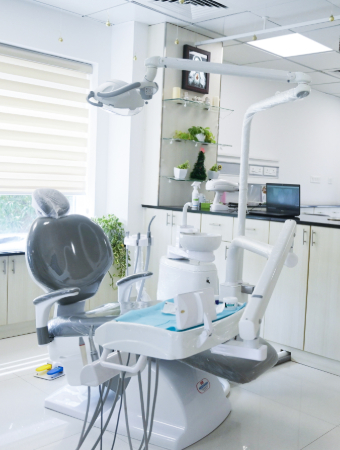
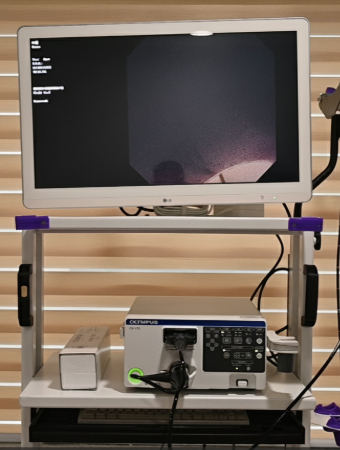
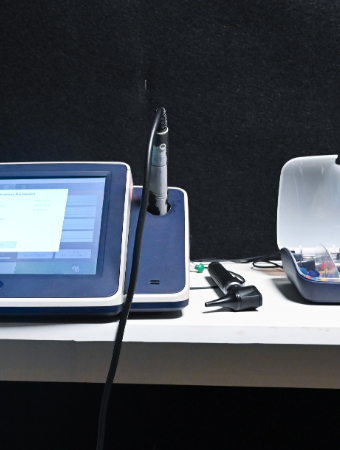
The ENT surgeon examines the nose, often with a nasal endoscope, and may request a CT scan of the sinuses. Smita Memorial Hospital's ENT department has advanced endoscopes, microscopes and video endoscopy systems, and Radiology has a 128-slice CT scanner.
- Nasal saline rinses and prescribed nasal sprays
- Treatment of allergies
- Antibiotics when there is bacterial infection
- Septoplasty to correct a deviated nasal septum
- FESS (functional endoscopic sinus surgery) to open blocked sinuses and remove polyps
About FESS
Functional endoscopic sinus surgery is performed through the nostrils using an endoscope, without external cuts. It widens the natural drainage pathways of the sinuses and removes polyps. Smita Memorial Hospital's ENT, Head & Neck Surgery department performs FESS, endoscopic sinus surgery and septoplasty.
Acute versus chronic sinusitis
- Acute sinusitis — usually follows a cold, lasts days to a few weeks and often improves on its own or with treatment
- Recurrent acute sinusitis — several episodes a year
- Chronic sinusitis — symptoms lasting 12 weeks or more despite treatment
Most colds do not need antibiotics. Chronic or recurrent symptoms deserve an ENT evaluation to find the underlying cause.
How to use nasal sprays correctly
- Gently blow your nose first
- Tilt your head slightly forward
- Aim the nozzle towards the outer wall of the nostril, away from the centre
- Breathe in gently as you spray — do not sniff hard
- Use regularly as prescribed; steroid sprays work best with consistent use
Allergies and the nose
Allergic rhinitis — triggered by dust mites, pollen, mould or pets — causes sneezing, itching, a runny or blocked nose and can contribute to sinus problems. Reducing exposure, prescribed sprays and antihistamines help. Treating allergies well can also improve asthma control in people who have both.
Recovery after sinus surgery
- Mild nasal blockage and some bloody discharge are common at first
- Nasal saline rinses help keep the nose clean
- Avoid blowing the nose forcefully and heavy exertion for the period advised
- Attend follow-up for cleaning
- Report heavy bleeding, fever, severe headache or swelling around the eyes
Specialists you can consult



Frequently asked questions
Does chronic sinusitis always need surgery?
No. Most people improve with medical treatment. Surgery is considered when symptoms persist despite treatment or polyps are present.
Is FESS done without cuts on the face?
Yes. It is performed through the nostrils with an endoscope.
Is FESS available in Thodupuzha?
Yes. The ENT department at Smita Memorial Hospital performs FESS and septoplasty.
Can nasal polyps come back?
They can recur, which is why continued medical treatment and follow-up are important.
Sources
- ENT, Head & Neck Surgery, smitahospital.com
- Radiology, smitahospital.com