Complete blood count (CBC)
Measures red blood cells, haemoglobin, white blood cells and platelets. It helps detect anaemia, infection, some blood disorders and low platelets, for example in dengue.
Blood sugar and HbA1c
- Fasting and post-meal blood sugar — measure glucose at a point in time
- HbA1c — reflects average blood sugar over the previous few months and is used to diagnose and monitor diabetes
Kidney function tests
Urea, creatinine and electrolytes show how well the kidneys filter the blood. Urine tests for protein are also important for people with diabetes and high blood pressure.
Liver function tests
Measure liver enzymes, bilirubin and proteins to detect liver inflammation, hepatitis, bile duct blockage and other conditions.
Lipid profile
Measures cholesterol and triglycerides — key risk factors for heart disease and stroke.
Thyroid function tests
TSH and thyroid hormones show whether the thyroid is underactive or overactive.
Specialised tests
- Serology and immunology — antibody tests for infections and immune conditions
- Microbiology — culture tests to identify infections and guide antibiotics
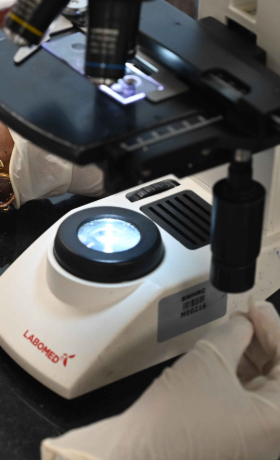
- Histopathology and cytopathology — examination of tissue and cells from biopsies
- Immunohistochemistry (IHC) — identifies specific proteins in tissue, aiding diagnosis especially in cancer
How to prepare
- Ask whether fasting is needed — typically for sugar and lipid tests
- Drink water unless told otherwise
- Tell the staff about medicines you take
- Bring previous reports for comparison
The laboratory at Smita Memorial Hospital
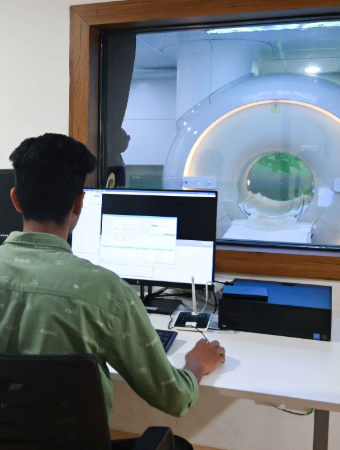
The Department of Laboratory Medicine operates 24×7, accepting samples round the clock for outpatients and inpatients. It uses modern auto-analysers, follows strict internal and external quality control, and takes part in inter-laboratory comparison programmes. A blood storage unit is located next to the central laboratory.
Why results can vary
- Fasting status and recent meals
- Time of day
- Recent exercise, illness or dehydration
- Medicines and supplements
- Differences between laboratories and methods
This is why doctors look at trends and the full clinical picture rather than a single number.
Tests during pregnancy and for newborns
Pregnancy involves routine blood tests such as blood group, haemoglobin and blood sugar, along with others advised by the obstetrician. Newborns may need bilirubin tests for jaundice and other tests if unwell. Smita Memorial Hospital's NICU performs bedside arterial blood gas testing, and the laboratory supports mother and newborn care around the clock.
Culture tests and antibiotics
When an infection is suspected, a sample of urine, blood, sputum or wound discharge may be sent for culture. The laboratory grows the organism and tests which antibiotics work against it. Results take longer than routine tests but help doctors choose the most effective antibiotic and avoid unnecessary ones. Smita Memorial Hospital's Microbiology department focuses on the prevention, diagnosis and treatment of infectious diseases.
Inpatient results and faster decisions
For admitted patients, routine test results at Smita Memorial Hospital are displayed online in the wards and ICUs, which helps doctors and nurses act quickly on results.
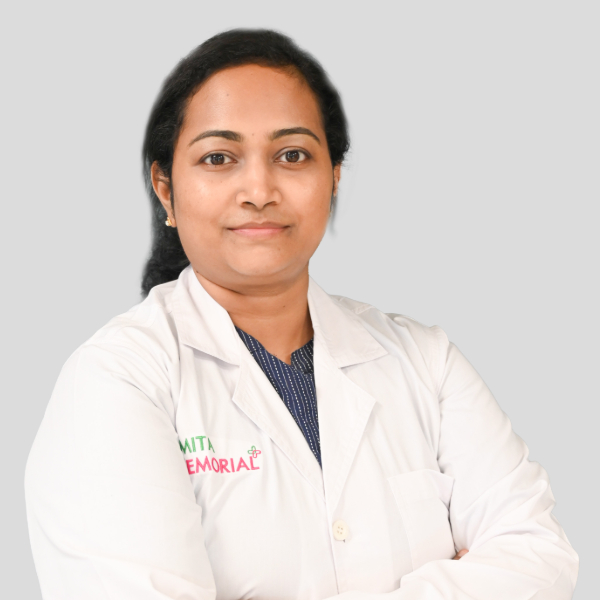
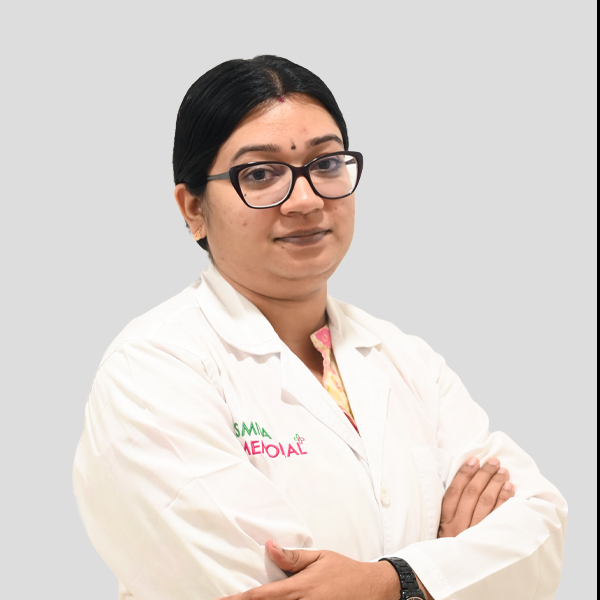
Specialists you can consult
Frequently asked questions
Is the lab open at night?
Yes. The laboratory at Smita Memorial Hospital operates 24×7.
Do I need to fast for all blood tests?
No. Fasting is needed for some tests such as fasting sugar and lipid profile. Ask when you book.
Can blood be collected at home?
Yes, through SMHRC @ Home Lab Services.
What does an abnormal result mean?
Results must be interpreted by a doctor alongside your symptoms and history. A single abnormal value is not always significant.
Sources
- Pathology and Microbiology & Laboratory, smitahospital.com
- Homecare Services, smitahospital.com